I Fell In Love With a Church…
It’s going to be hard to beat these few days of churches! I had some good chocolate and cheese, too, though I need to step up my game in the next two weeks!
(Again, this blog post is so long because of all the pictures. I took many pictures this week!)
Churches
July 13th
I saw 4 different churches on the 13th.
First, I saw Saint-Paul Saint-Louis. My group was waiting to see how much the Musée de la Magie (Magic Museum) cost, but it wasn’t open yet, so we were walking around and saw this, deciding to go in.
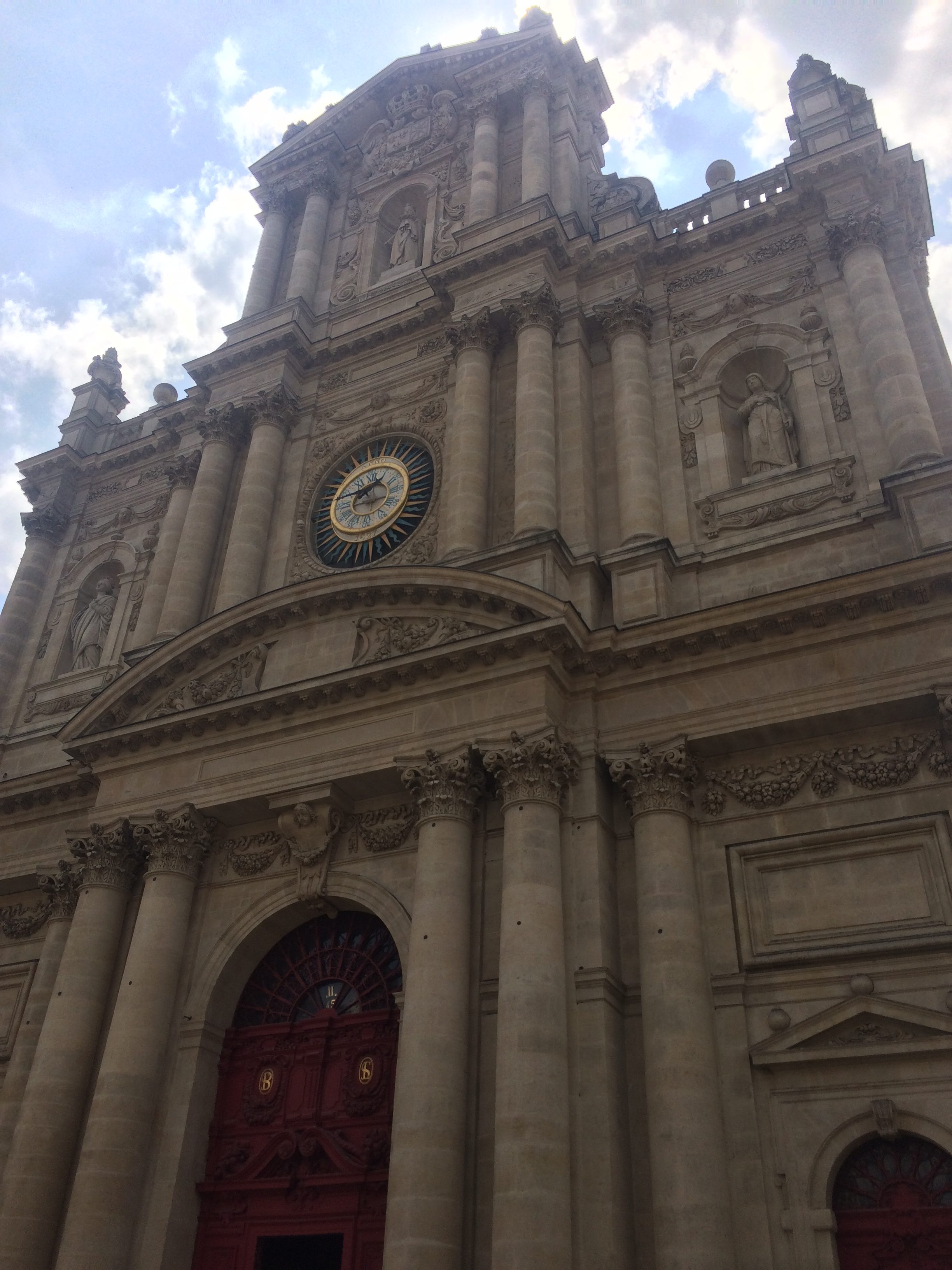


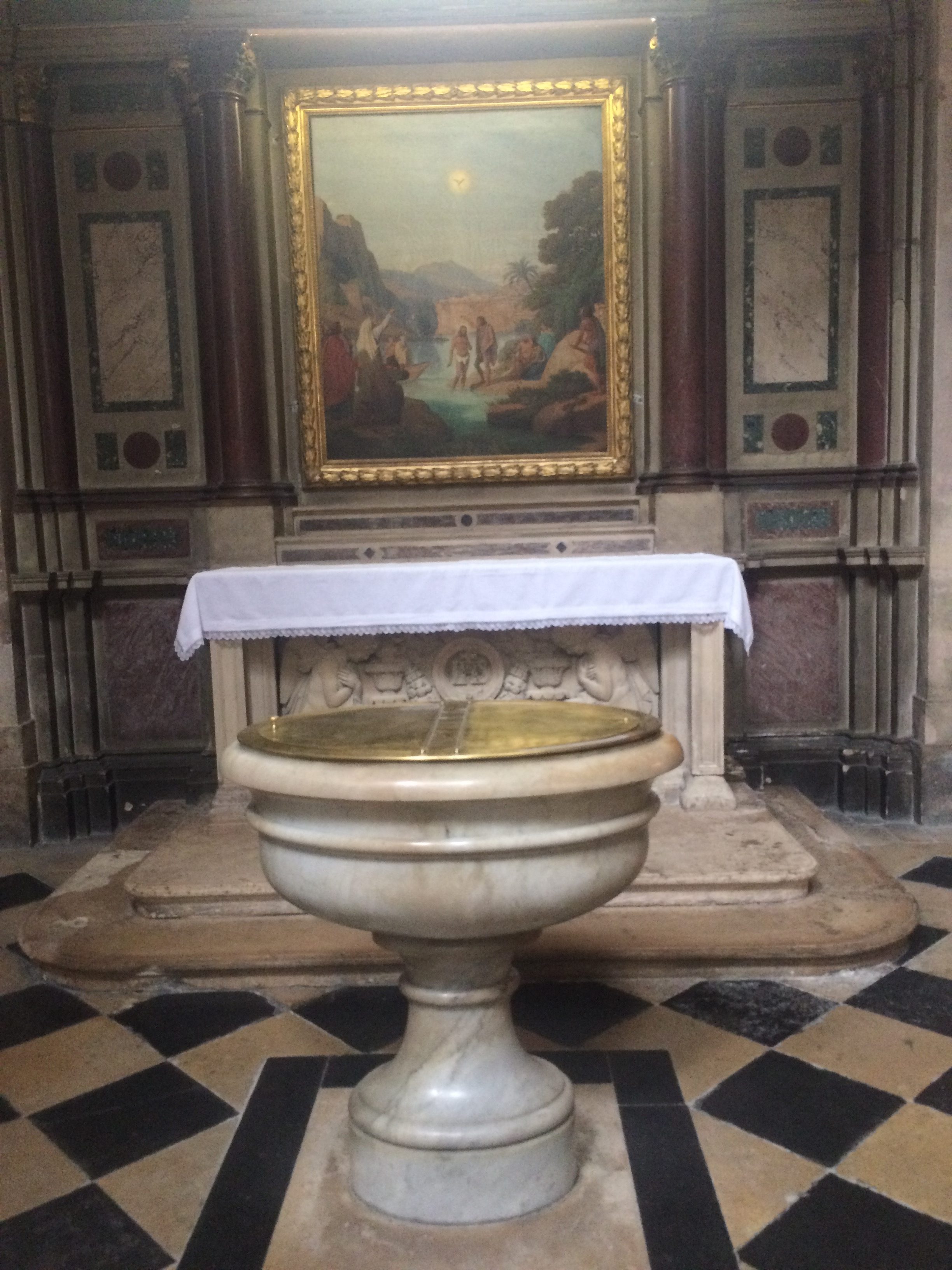


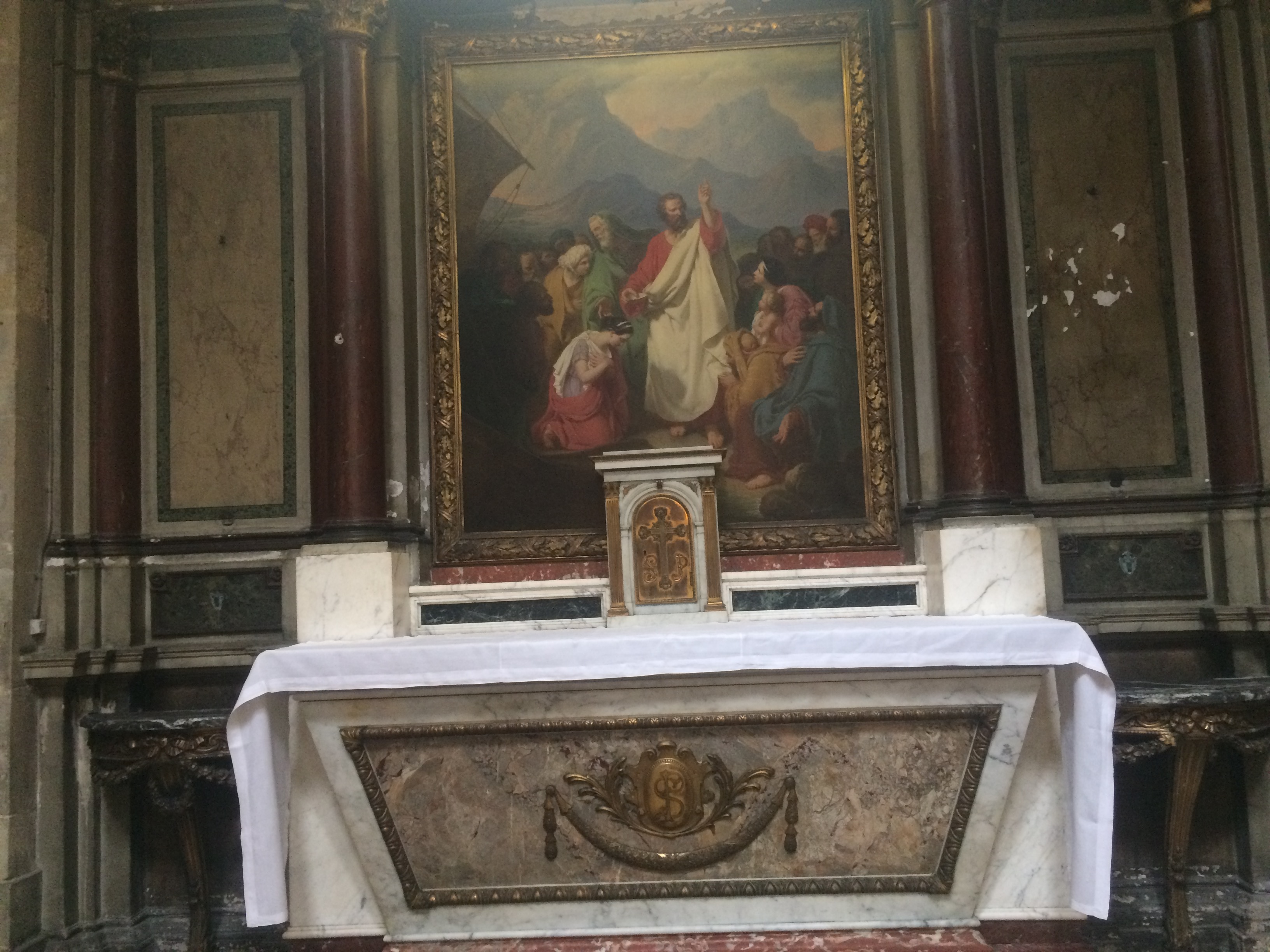

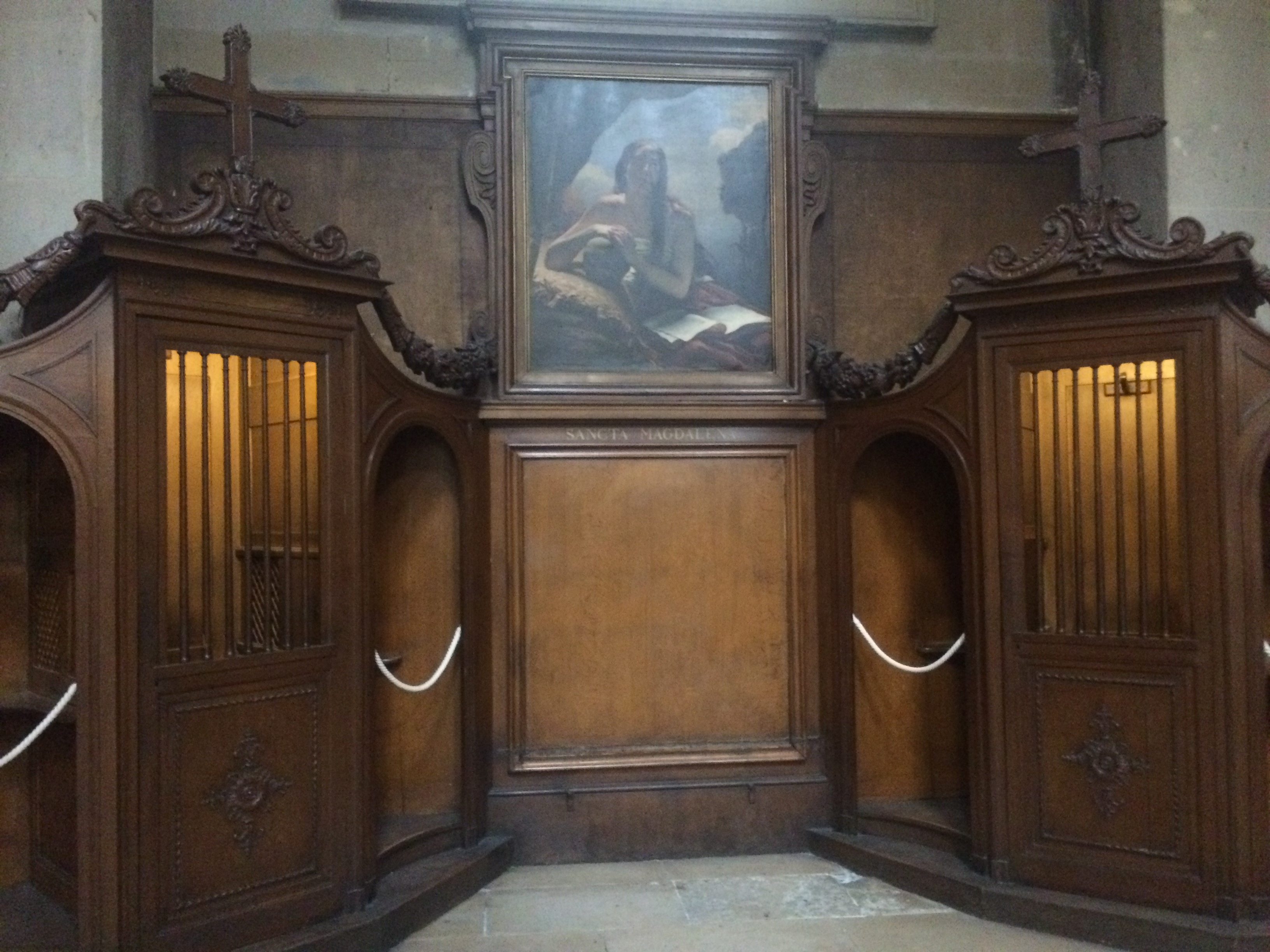
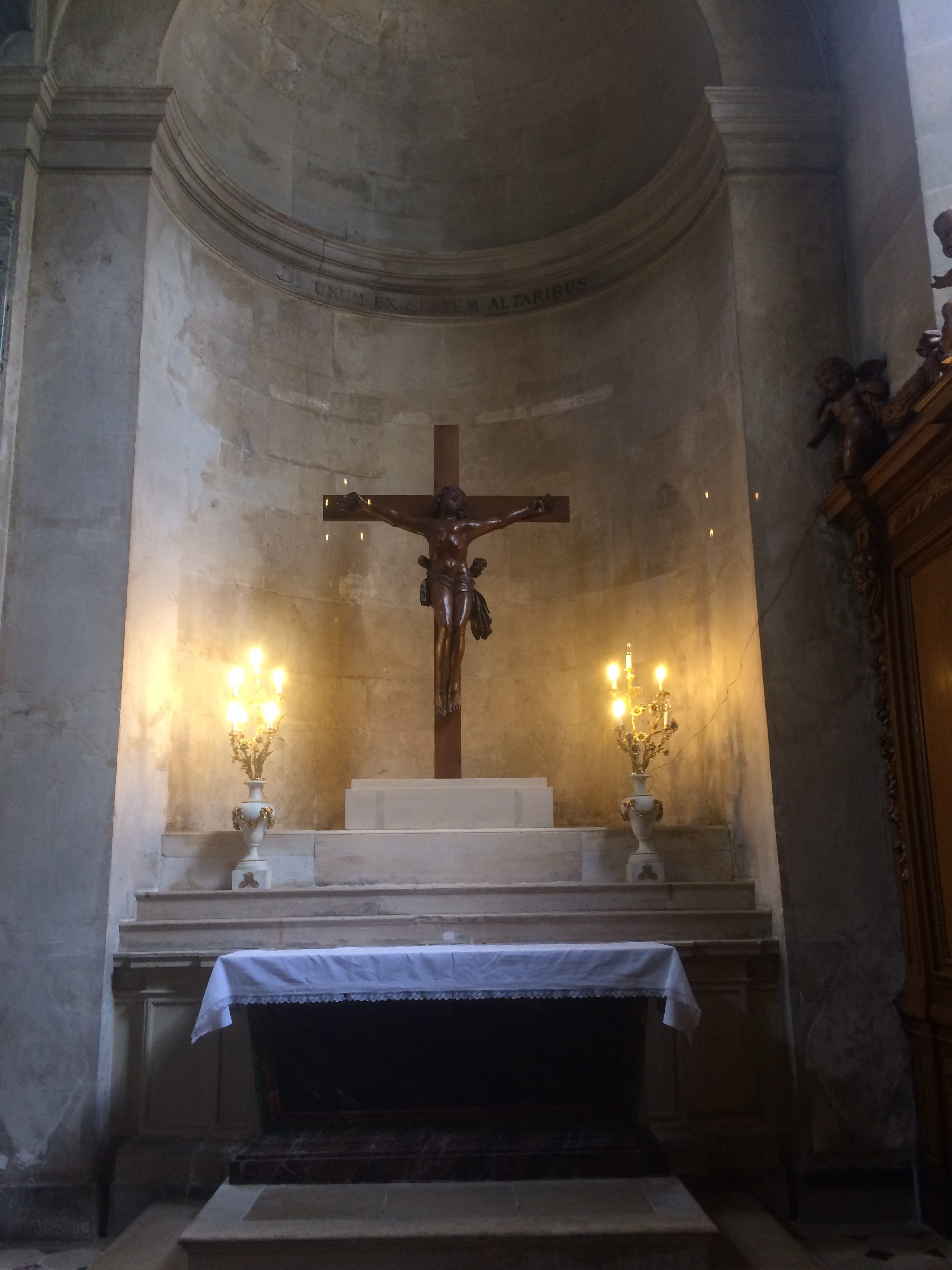

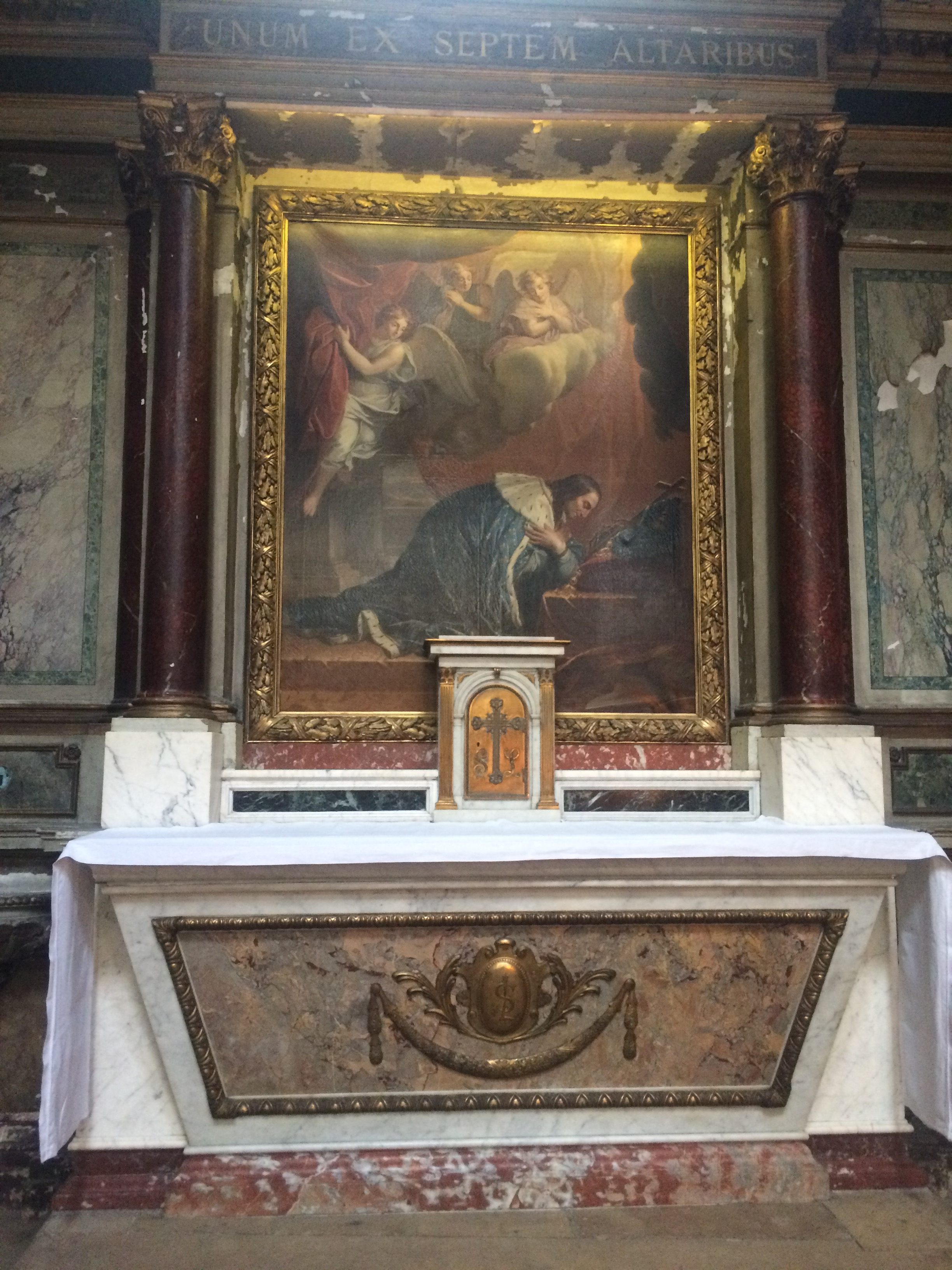
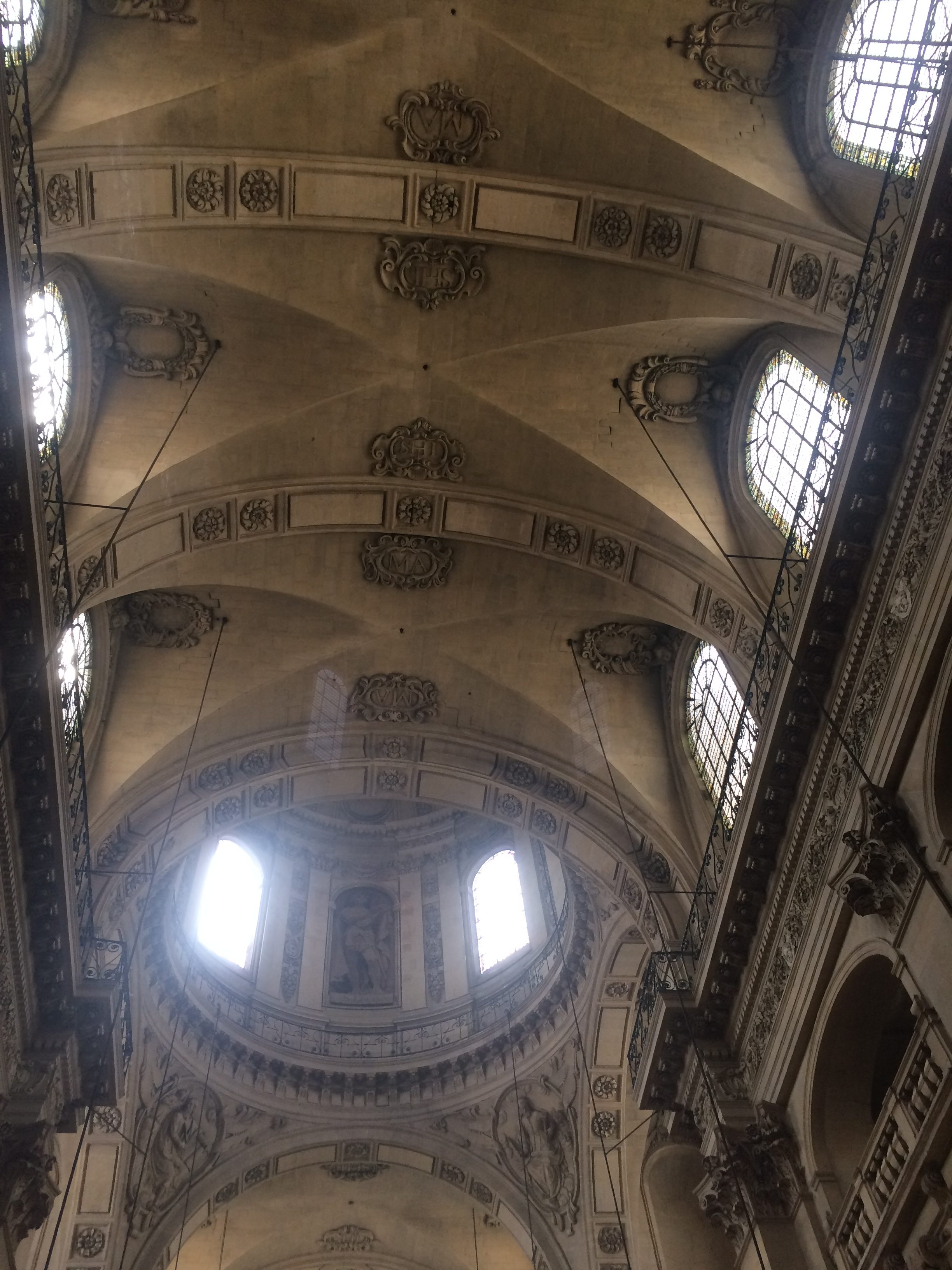
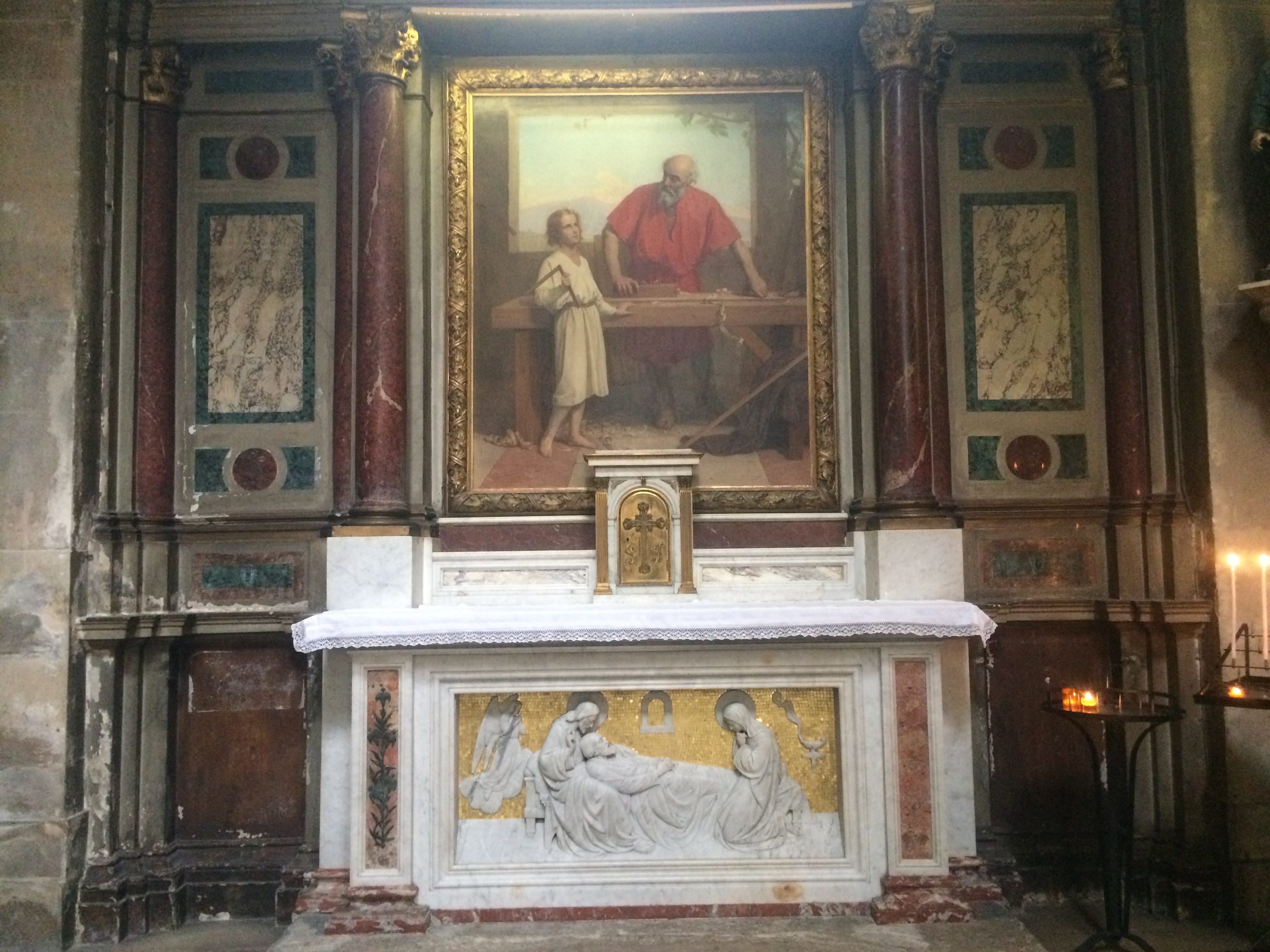
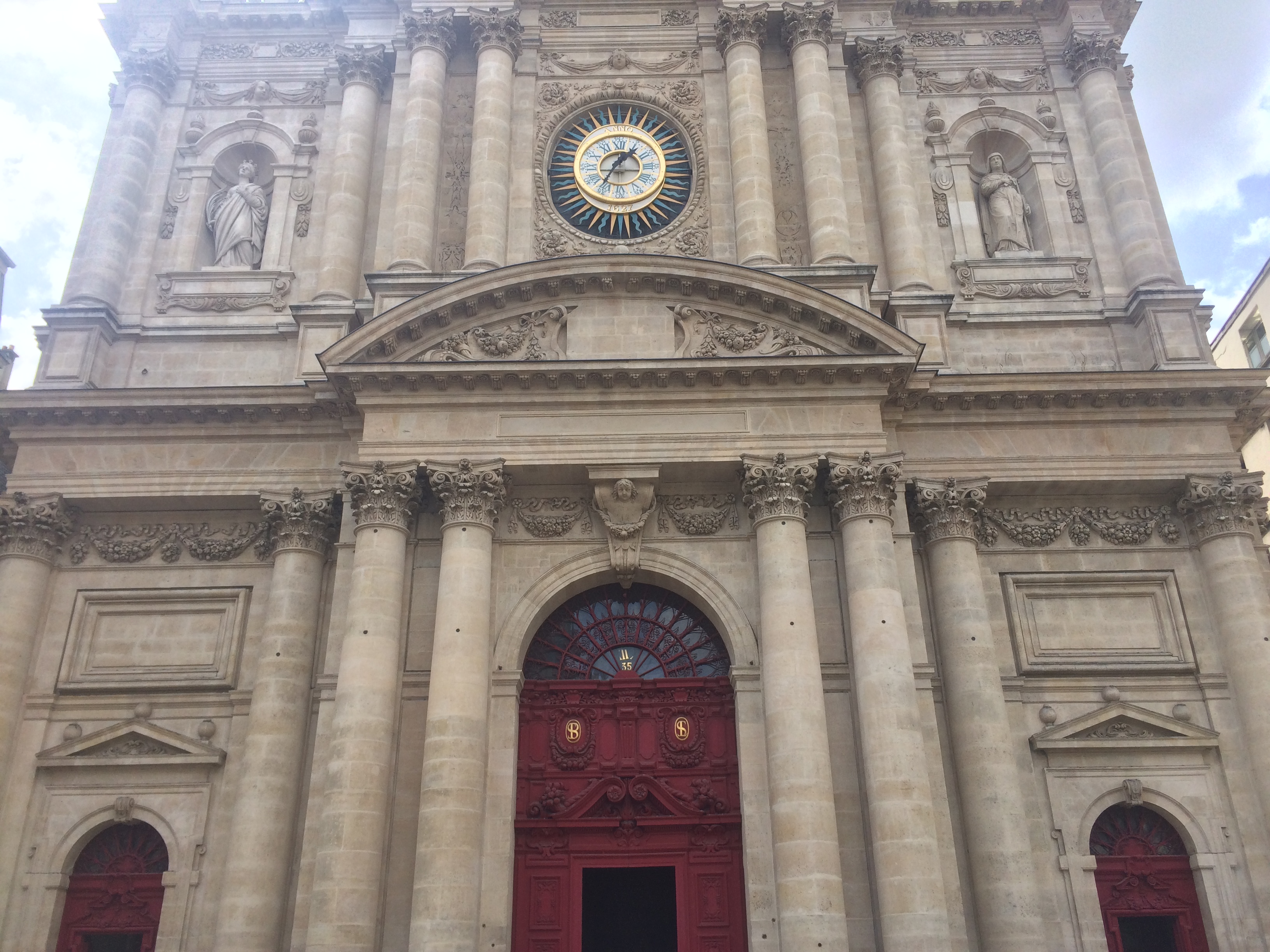
According to this church’s website (link 1 and link 2), the first stone of this church was laid on March 7, 1627 and on May 9, 1641 the church was consecrated and the first mass was celebrated. It was built for the Jesuits. When the Jesuits were expelled from France in 1764, the convent Sainte Catherine received control. During the French Revolution, the church was converted to the Cult of Reason. In 1802, after the Concordat of 1801, the church again became Catholic, becoming the parish church, since the parish church of Saint Paul was destroyed in 1797 during the French Revolution. Then, on January 15, 1803, the parish council of Saint Louis asked the archbishop of Paris to rename the church Saint-Paul-Saint-Louis, in honor of the aforementioned parish and church of Saint Paul, whose parish had existed since the 7th century. The church suffered looting throughout the 19th century. The nave of the church was renovated in 2012 and the lantern was renovated in 2015, both by the Paris City Hall.
Then, I saw a church tower and cross, which piqued my interest. I looked on my map app on my phone to see what church it was and I found out that it was Protestant, which would e interesting, as I haven’t been in many Protestant churches in my life. There’s not many Protestant churches in Paris and I hadn’t been in any yet. After my group and I walked over there, we unfortunately found it was closed and I couldn’t find a sign that said what hours it was open.


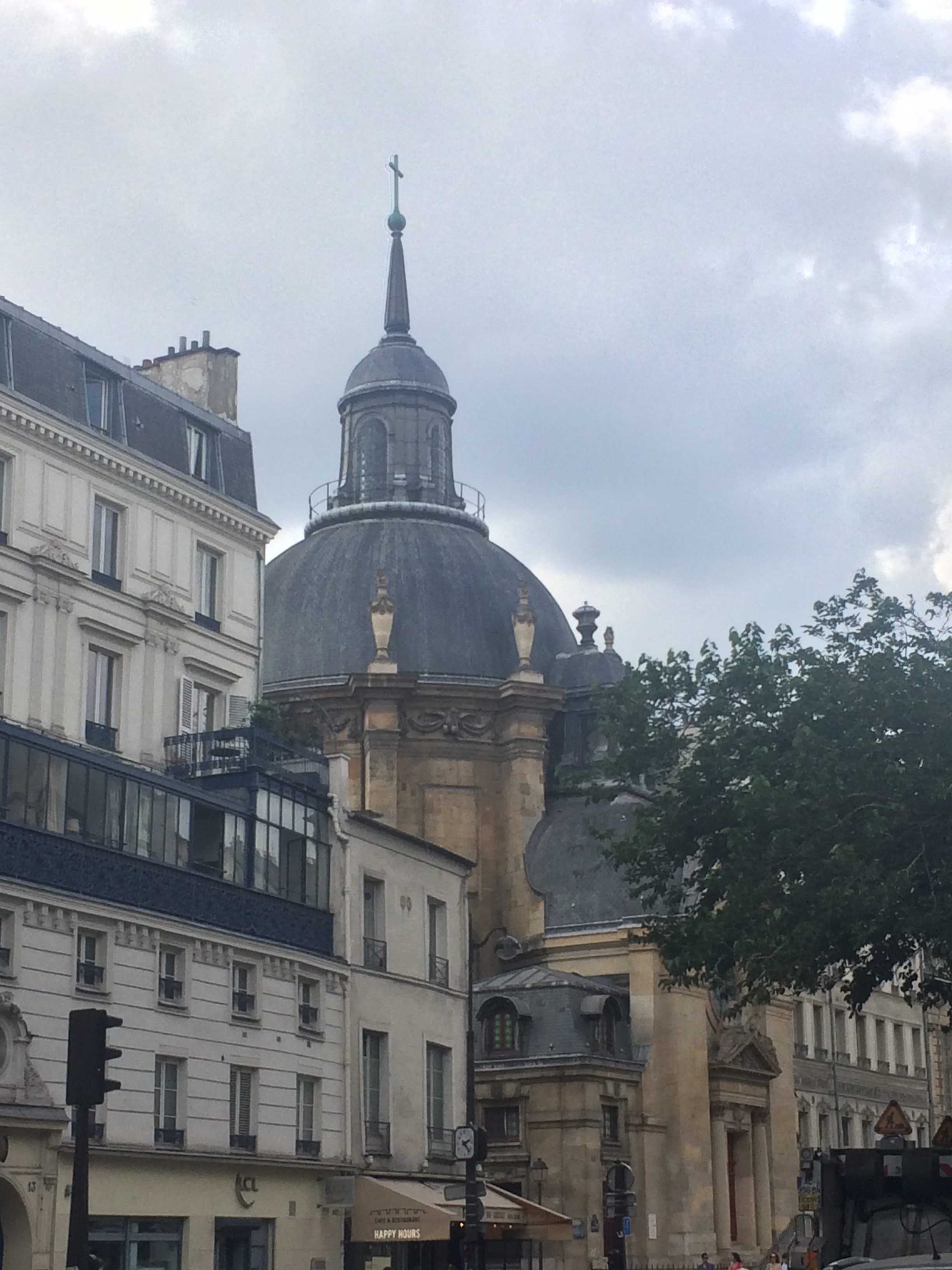
This is the Temple Sainte-Marie or Temple du Marais. According to Wikipedia, as I couldn’t find any historical information on its website, this church was originally built as a Catholic convent of the Order of the Visitation of Holy Mary, built between 1632-1634 in the Baroque style. It features a centralized plan and a rose window above the door, among other things. During the French Revolution, in 1790, it was seized, and after its furniture was sold, it turned into a storage area for books that were seized from immigrants. The Sisters were expelled in 1792. In 1796, all of the buildings of the convent were sold. Then, they were destroyed in 1805 during the building of the Rue Castex. Only the chapel remains. After the Concordat of 1801, this was one of the churches that became a Protestant church (Reformed Church of France). It was damaged in May 1871 during the Paris Commune, with restoration work taking place 3 years later. During World War 2, the crypt, built in 1665, was used as a shelter, and the organ, built in 1895, hid Jews. Today, it is a United Protestant Church of France
The final church I saw that day was Saint-Pierre-de-Montrouge. After my roommate and I were leaving Carrefour, we heard church bells and I wanted to see what church it was. It was 5:45, so I’m guessing that the bells were for calling people to 6 o’clock Mass. It’s interesting, because I’ve seen several churches with 6 PM Saturday Masses, while in the US it’s almost always 5 or 5:30 PM
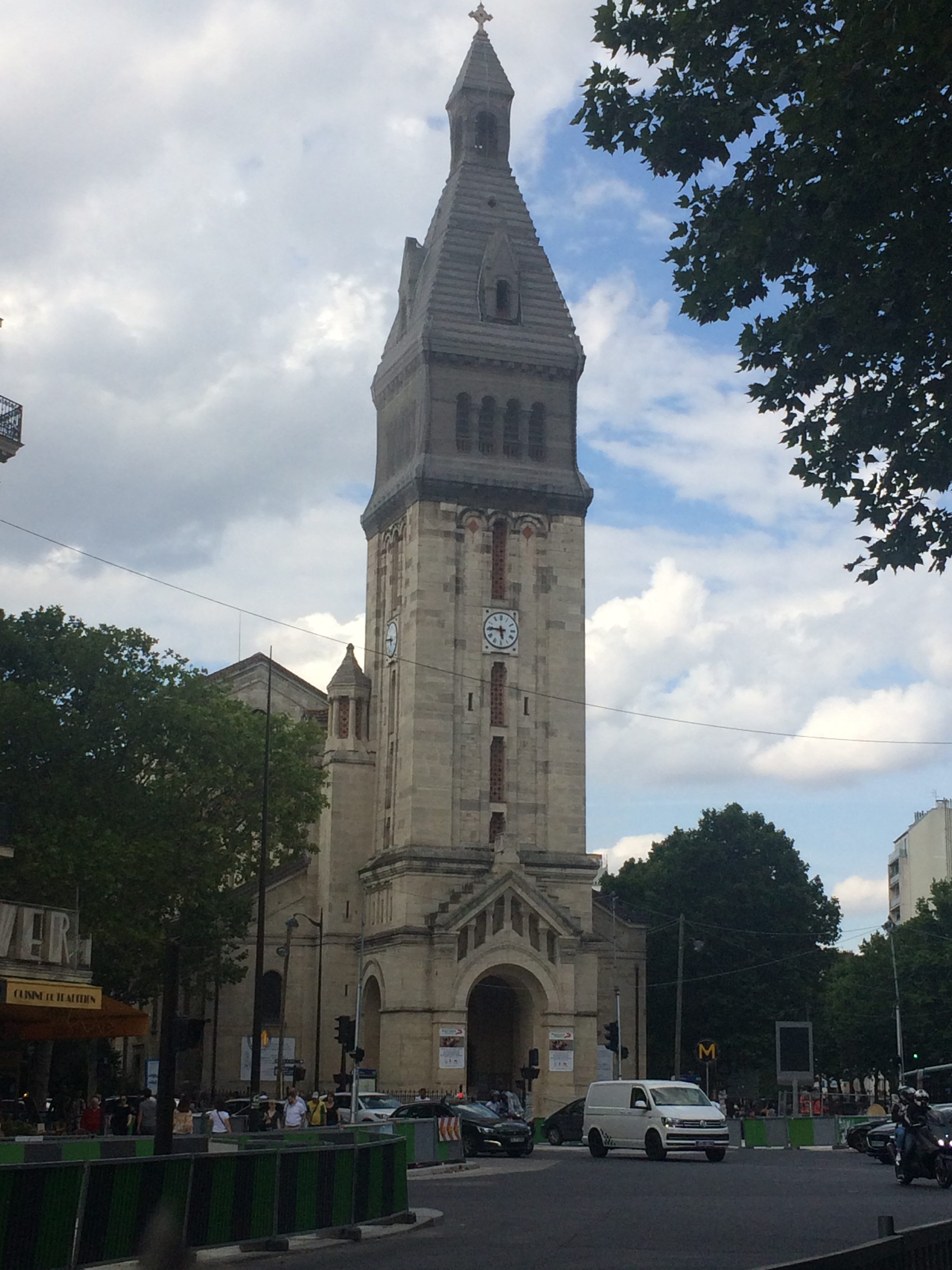
According to it’s website, this church was built between 1860 and 1870 by Émile Vaudremer, an architect of the City of Paris, during Haussmann’s redesign of the city. The previous Saint-Pierre had became too small for the rapidly growing population, causing this one to be built. It was built in a Romano-Byzantine style on triangular ground. It was a very long time before the church was consecrated. It was finally consecrated on February 13, 1923.
Finally
Though we saw this third, I wanted to save this church until last. Why? I’ve fallen in love with it. It is beautiful and grand and enormous. The pictures don’t do it justice. Unfortunately, my phone’s camera was acting up and the lighting was not working with me. If you can, please go see this church in person. I promise it’s worth the visit

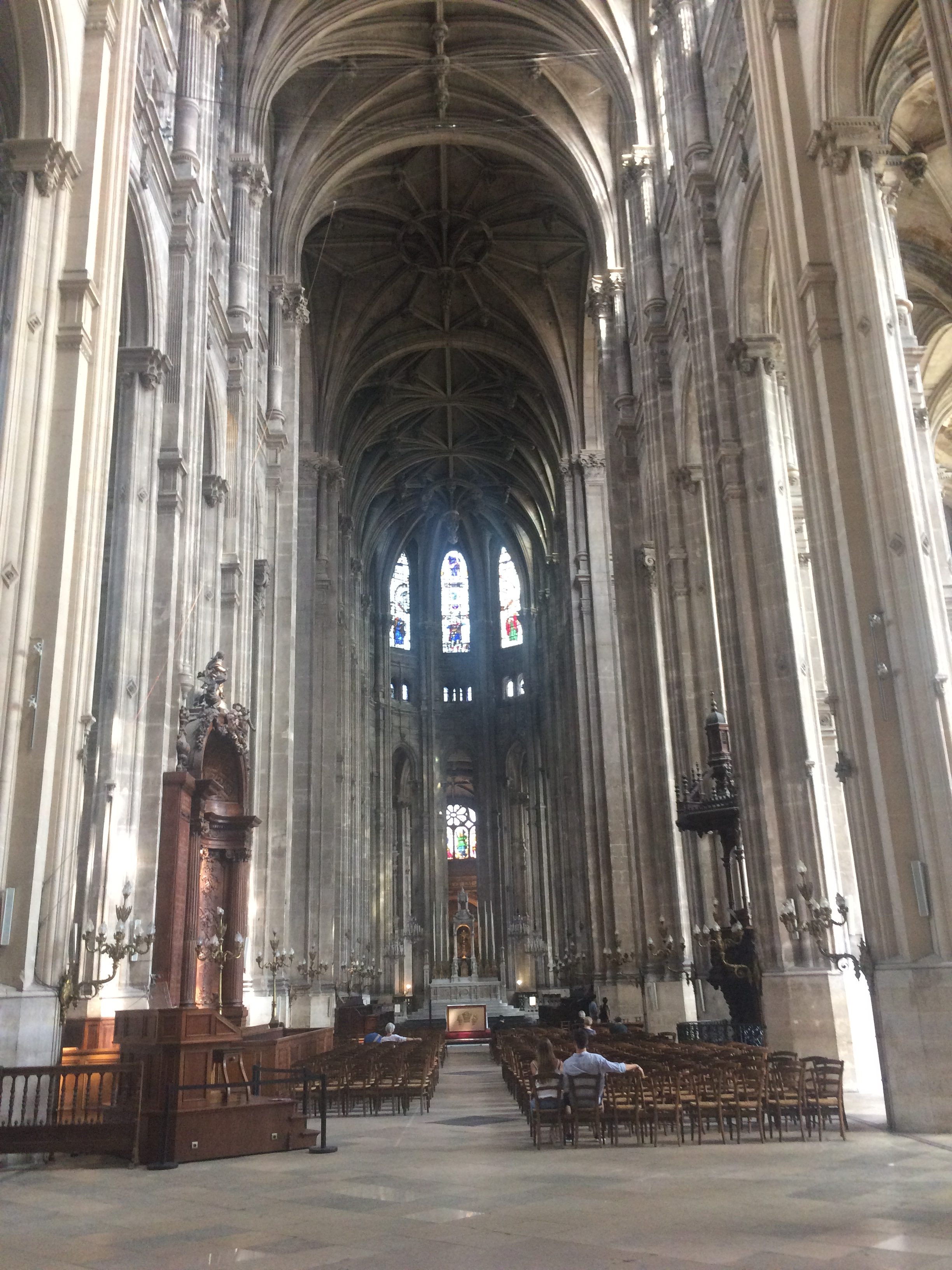


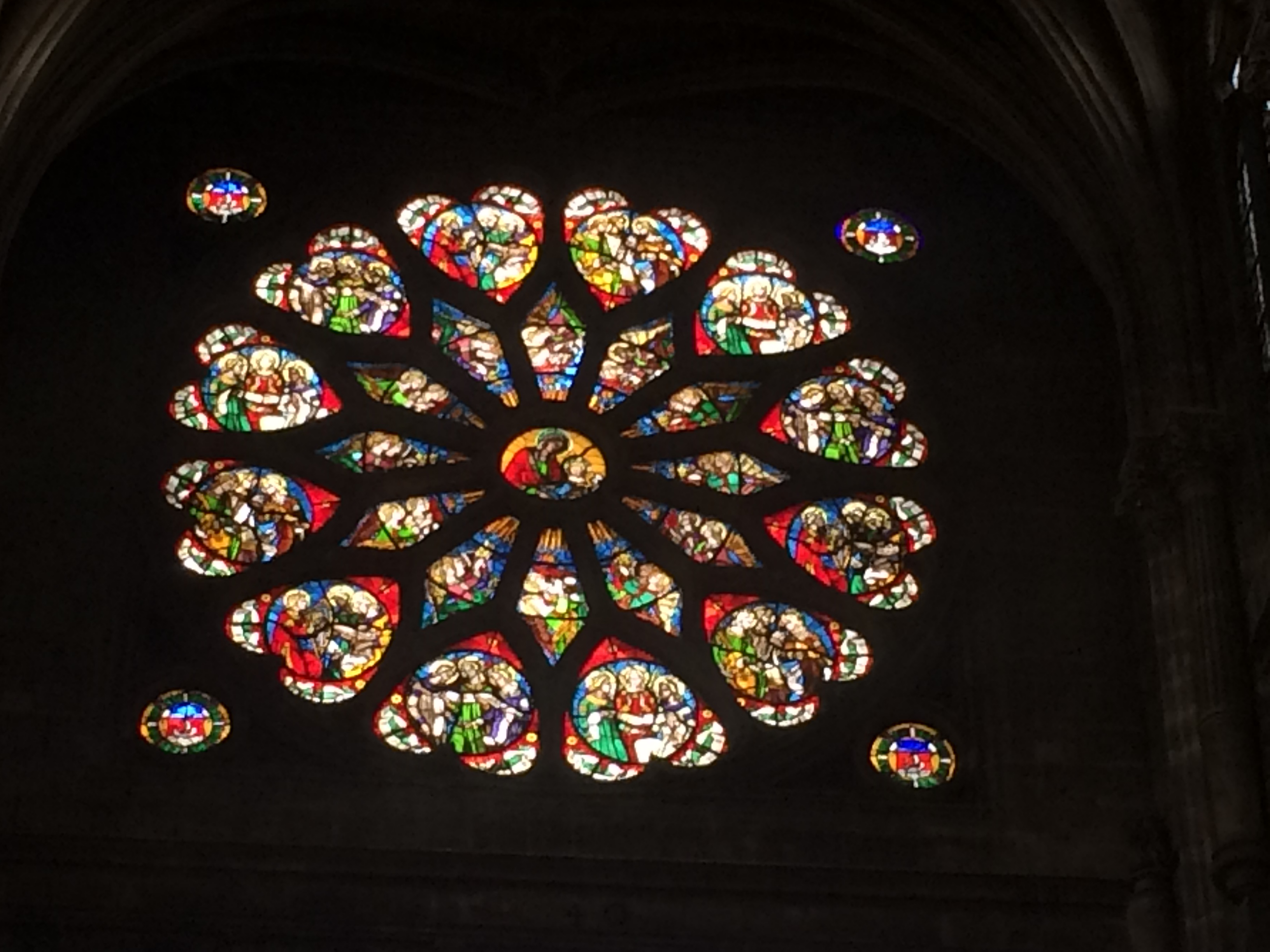

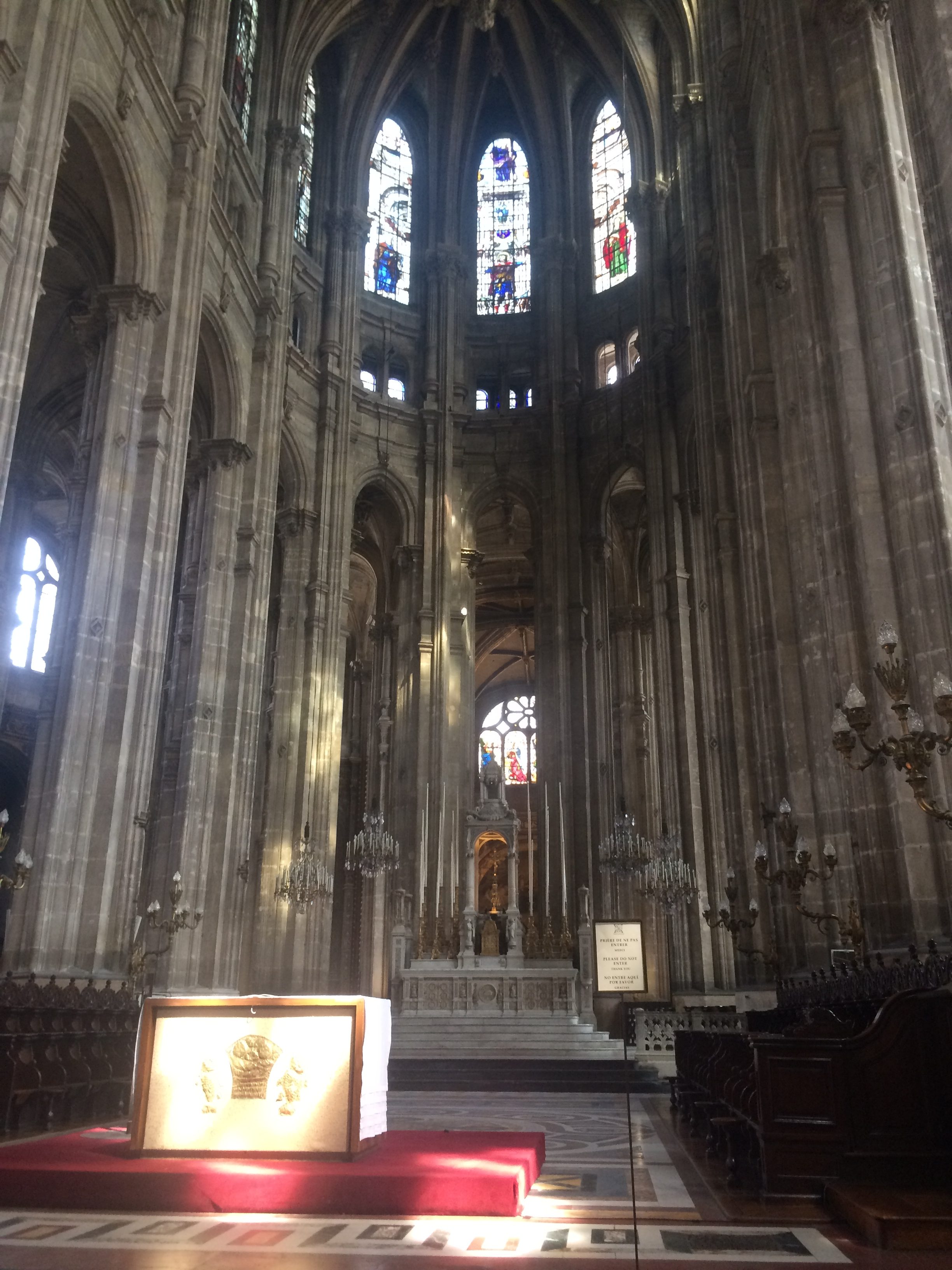
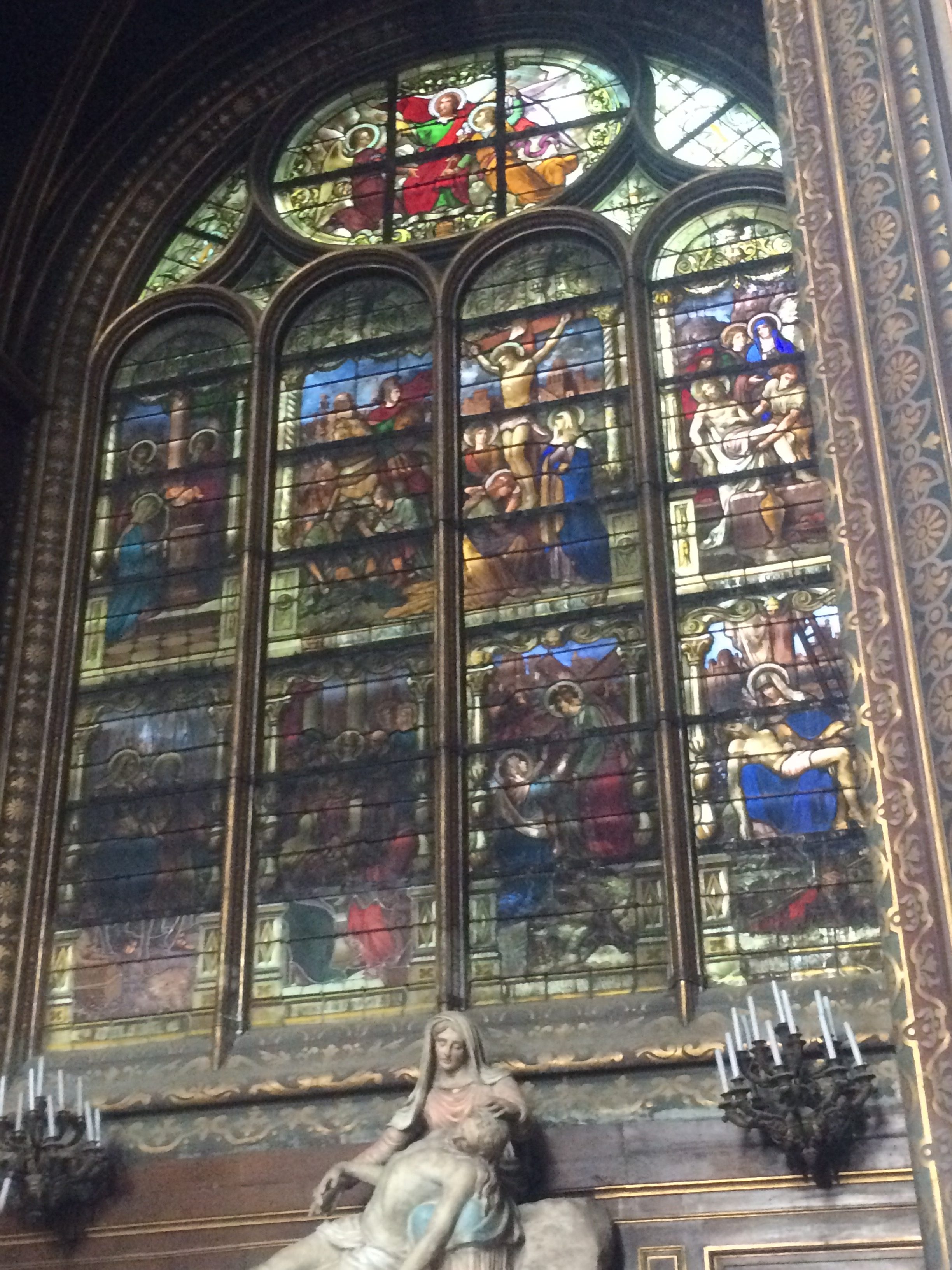
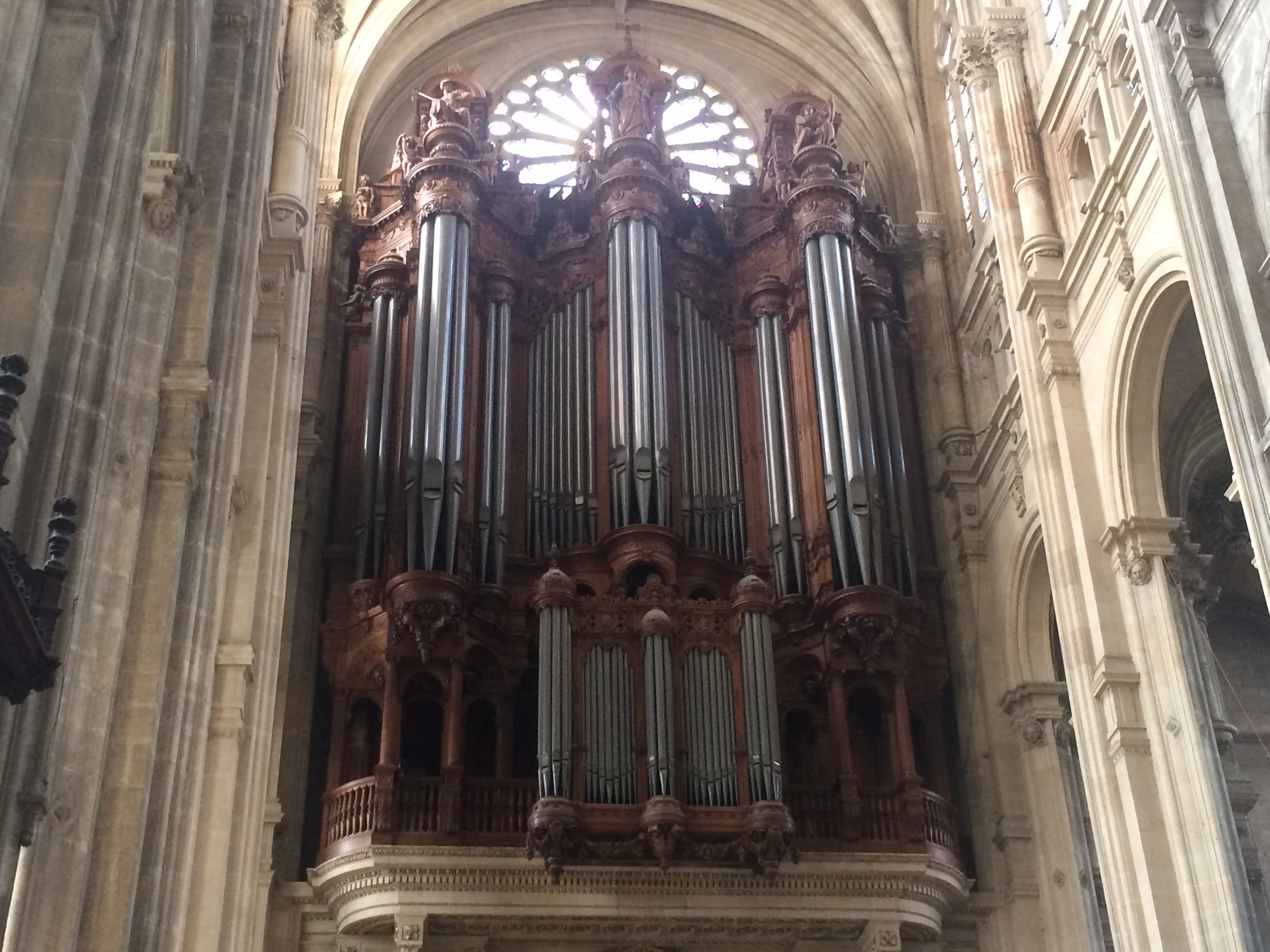


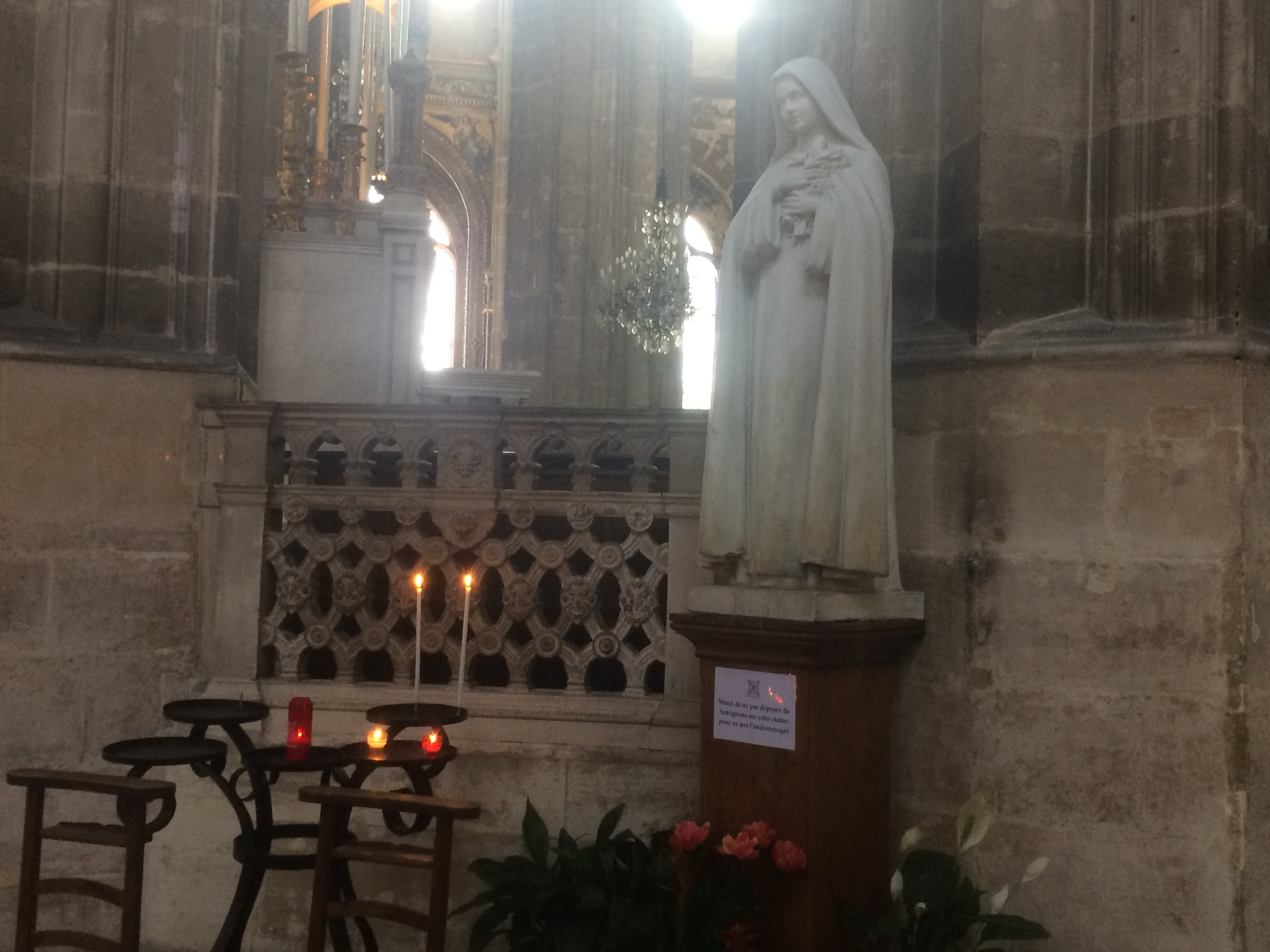
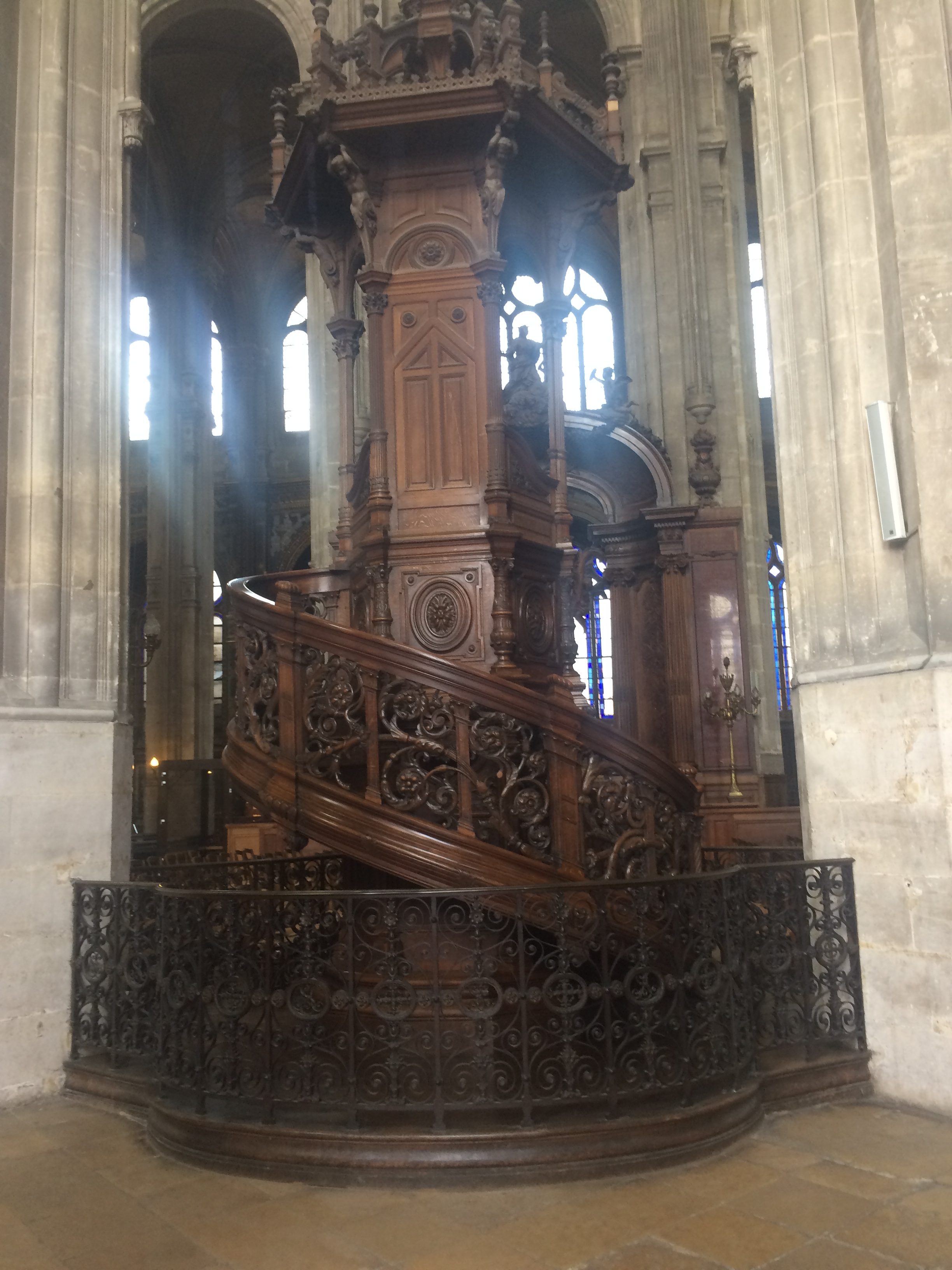
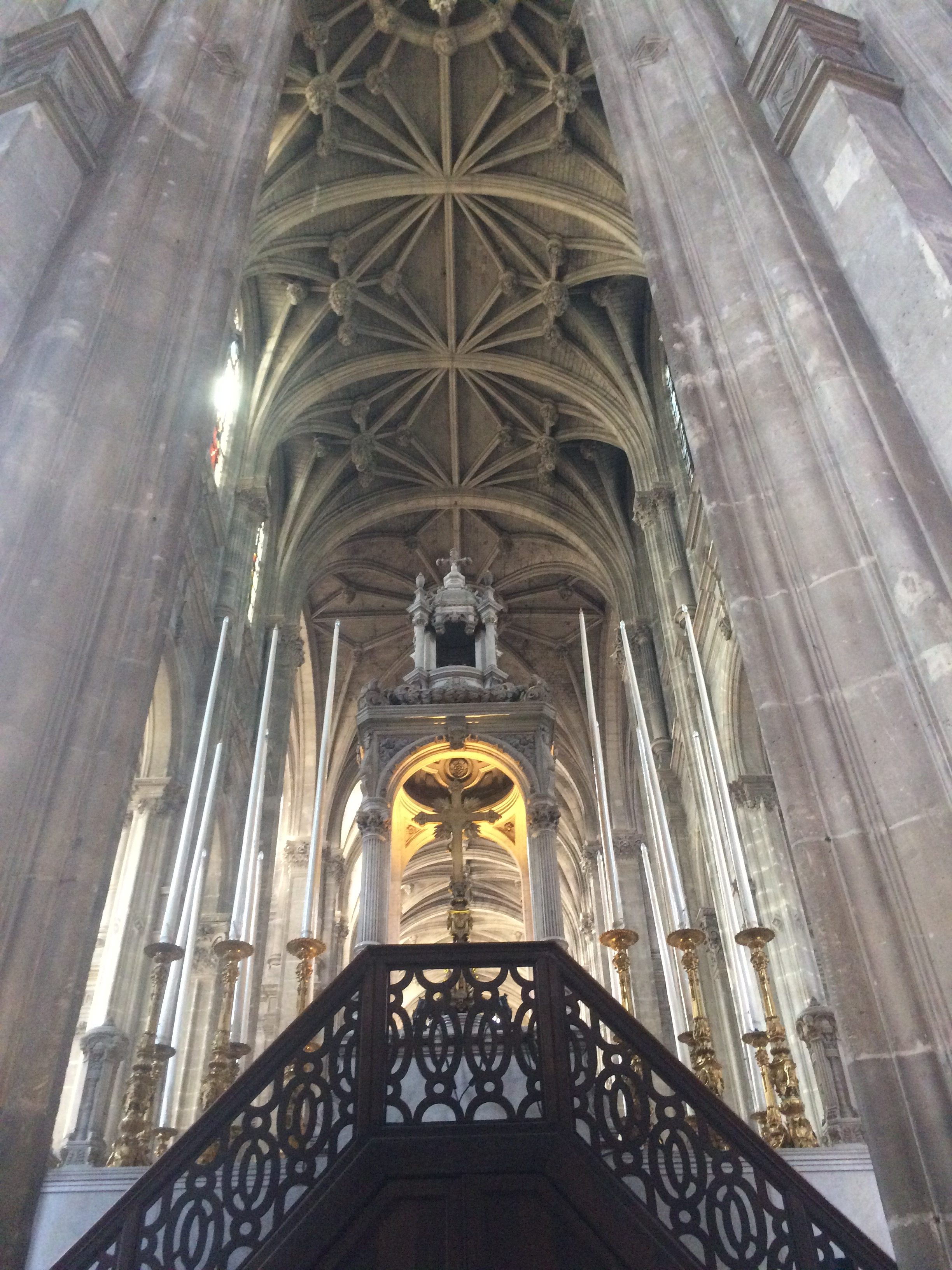

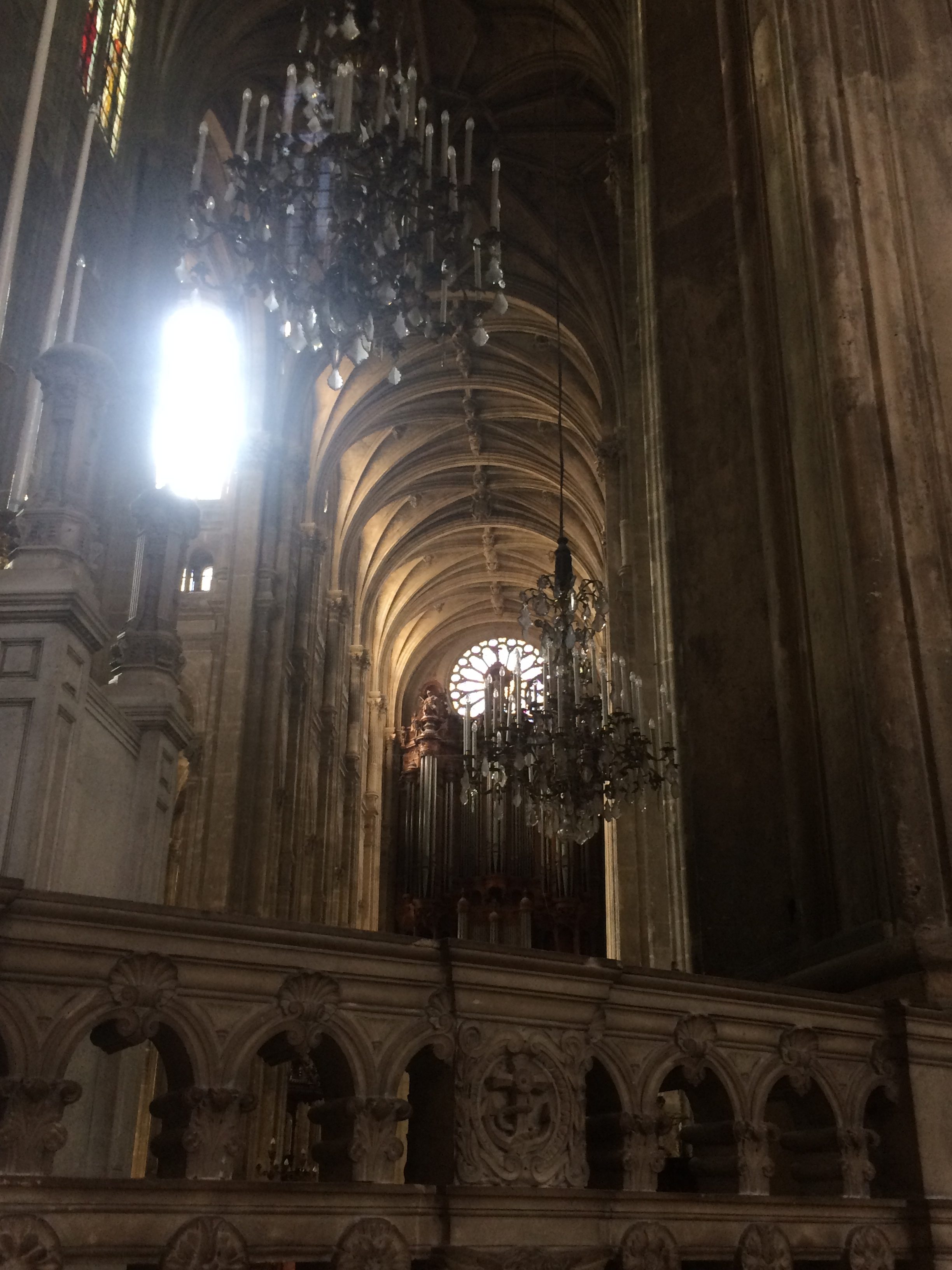
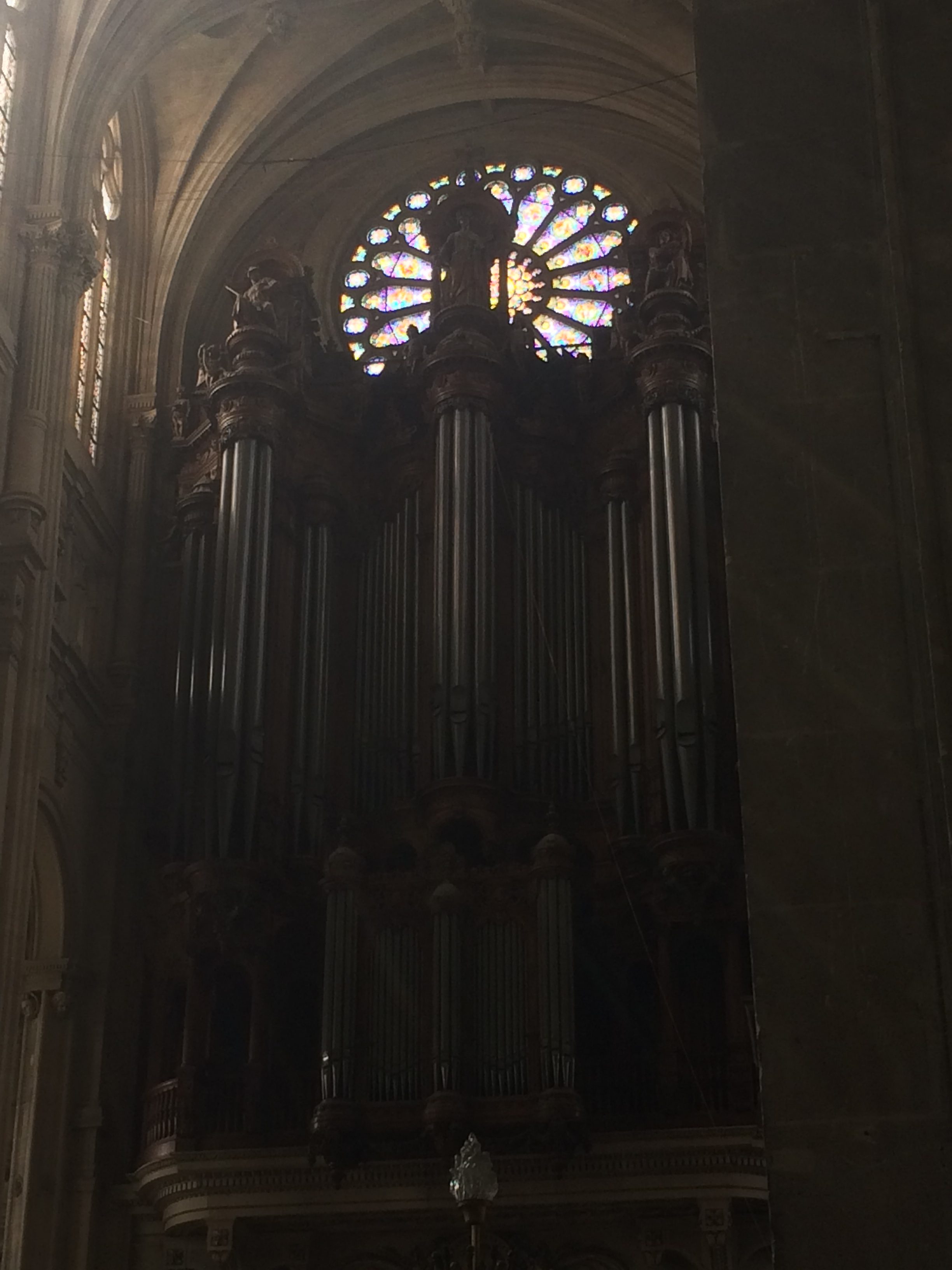

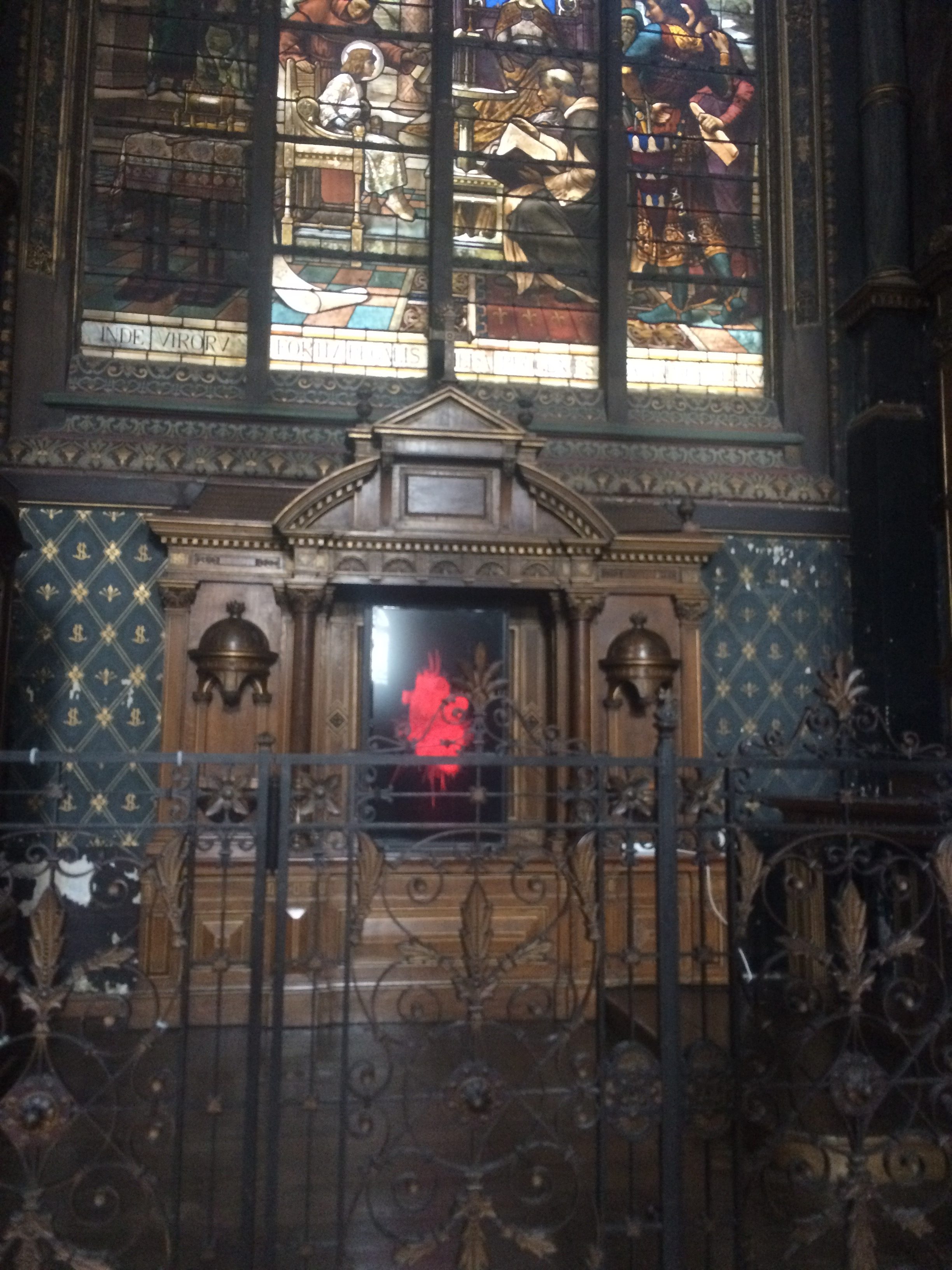

While I did the history of the church the first time I ever saw the outside of it-while watching the World Cup game at Les Halles, here’s the history again. According to its website, the first stone for this church was laid on August 19, 1532 and it was finally consecrated on April 26, 1637. In 1655, a parishioner, who also was the first churchwarden of the church, built two chapels under the towers of the façade, which severely weakened the building. Thus, the façade and the first span of the nave and aisles were demolished. On May 22, 1754, the first stone of the current portal was laid down. The plans and construction have continued to remain unfinished up to this day. During the French Revolution, it became a temple of agriculture in 1793, then reopened partially in 1795, but was damaged by the théophilanthropes. The building was completely restored from 1846 to 1854. After the siege of Paris in 1870-1871, the south facade, attic, and foothills were repaired. Between 1928-1929, the “façade was reviewed and consolidated.” In 1990, the organ was restored. For the last several years, the city of Paris, which owns the building has been doing interior and exterior renovations
July 14th
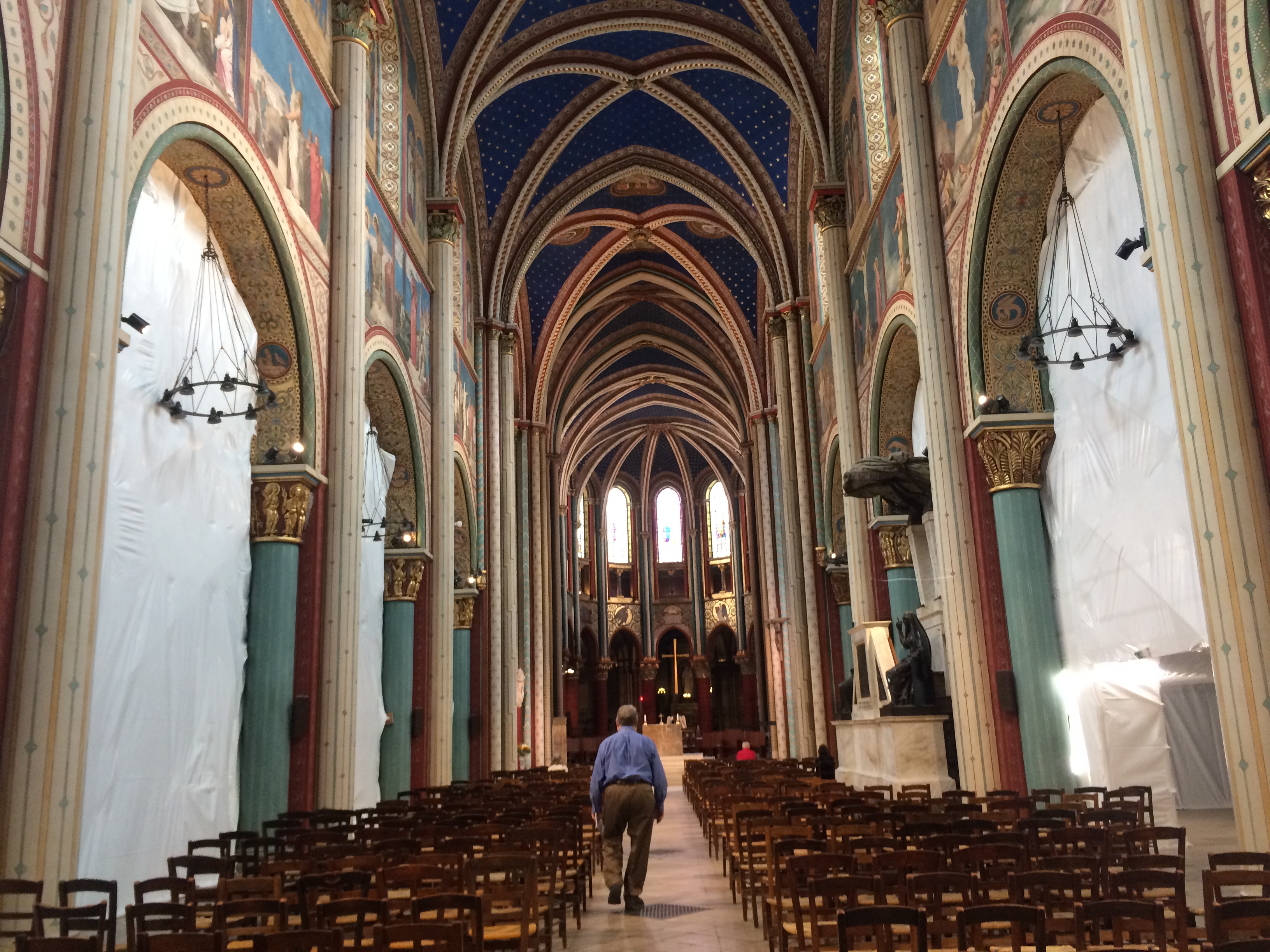
I went to Mass at Saint-Germain-des-Prés. You can read my blog post here.
July 15th
I didn’t go into or really see any churches this day. However, as we were walking to the entrance of the Bibliothèque nationale de France, I saw a cross and a church tower in the distance. I tried to take a picture, but it didn’t work out too well…

It turns out that this church is Notre-Dame de la Gare (Our Lady of the station)


According to Wikipedia (I couldn’t find any information on the church’s website on its history), construction began in 1847, with the church consecrated in 1859. It is built in the Romanesque Revival style, featuring an arched door, squat columns, and three apses, which are all common to this style. The church’s vault was painted in 1862 and was repainted in 1953. The church’s great organ was built in 1863 and has been restored several times.
July 16th
I didn’t see any churches on this day, unfortunately
Chocolate
July 13th
I didn’t have any chocolate on the 13th
July 14th
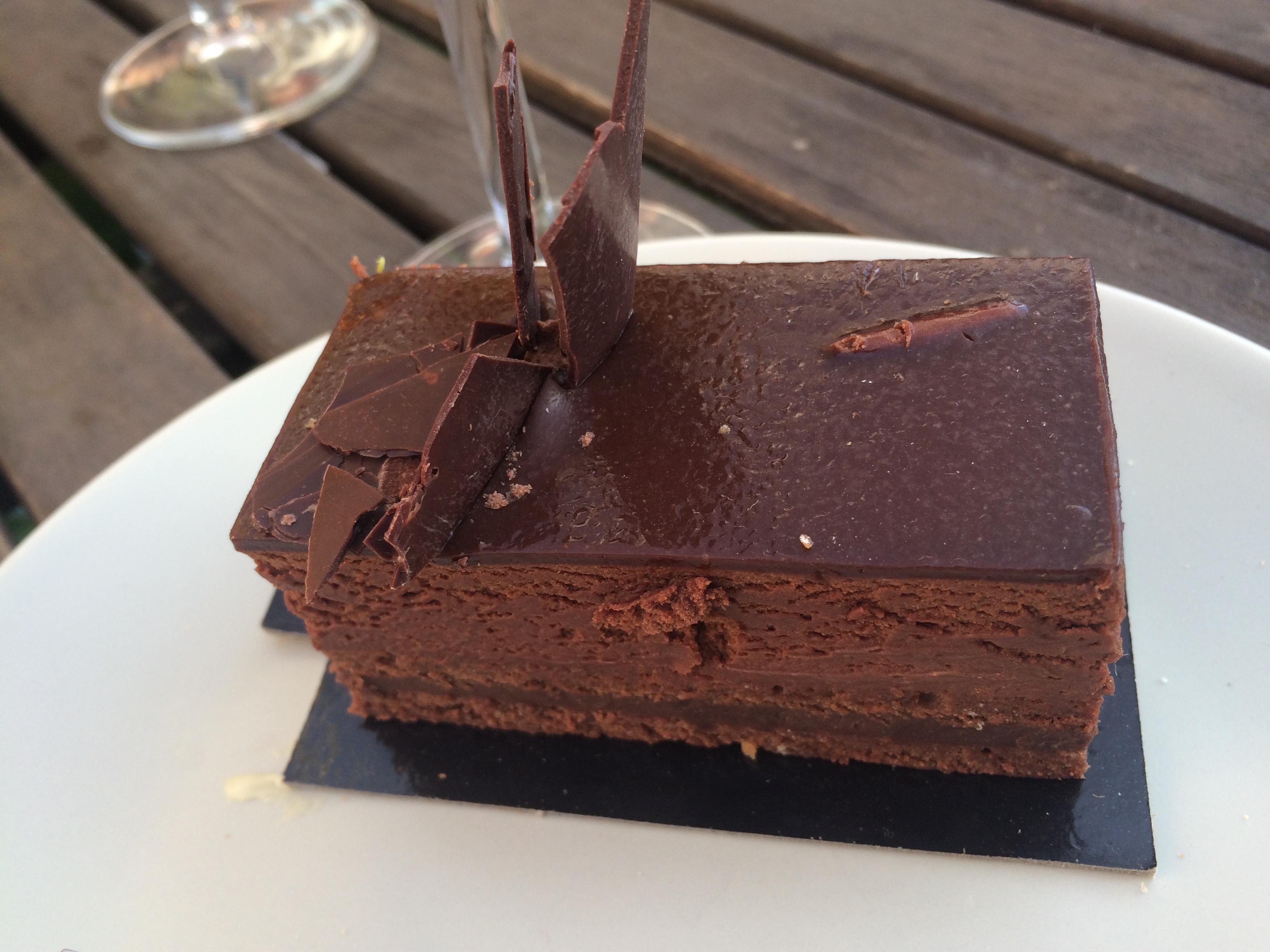
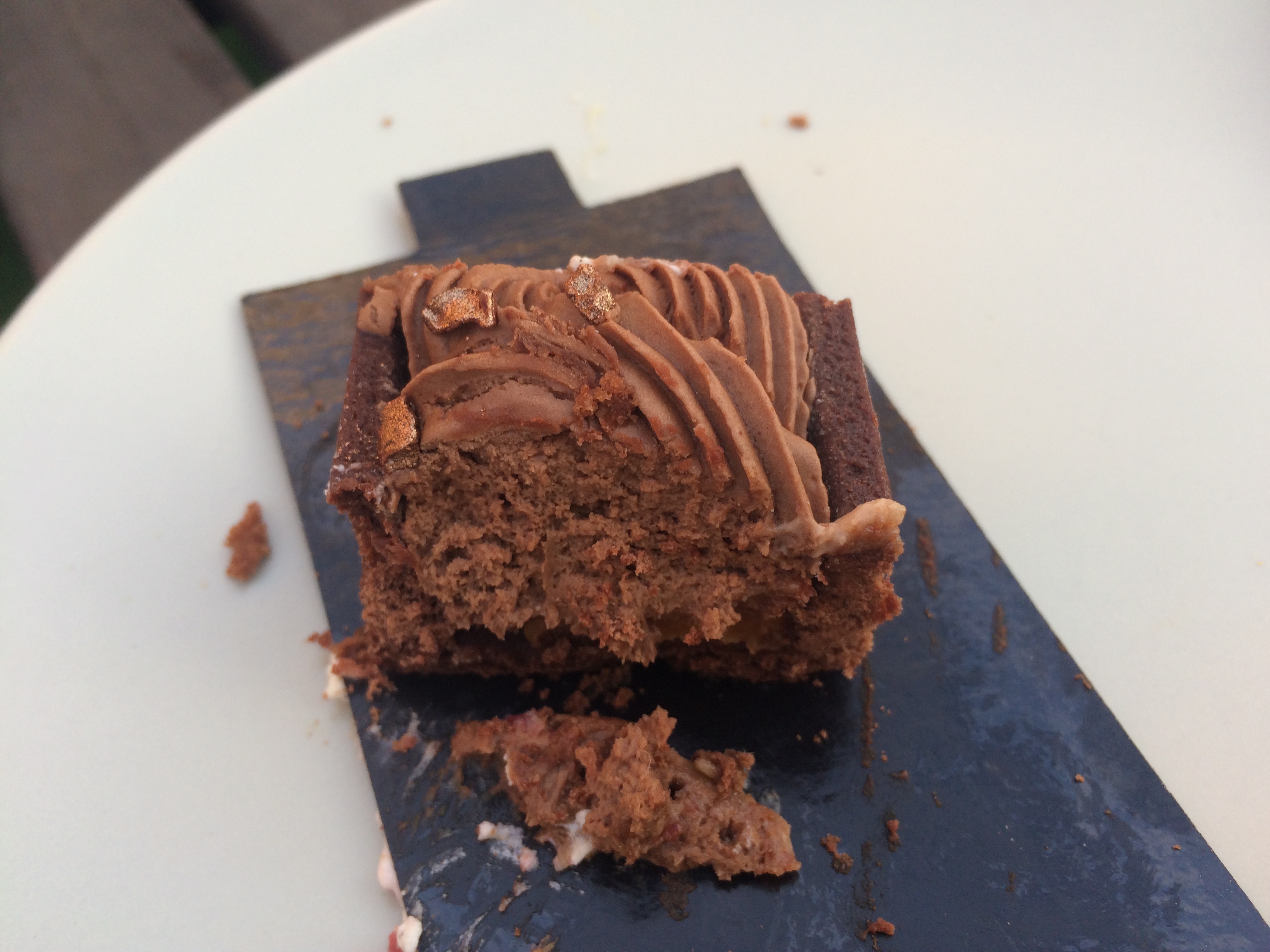
At Dr. Smith’s party, I had two chocolate desserts. I have no idea what ever of them were, but they were good! The first was pure chocolate. It was somewhere in texture between a cake and a mousse or something. The other dessert had chocolate frosting(?) and a chocolate crust. Inside, the filling was chocolate mixed with something-maybe caramel (but it wasn’t sticky or elastic). Whatever it was, it was good.
July 15th
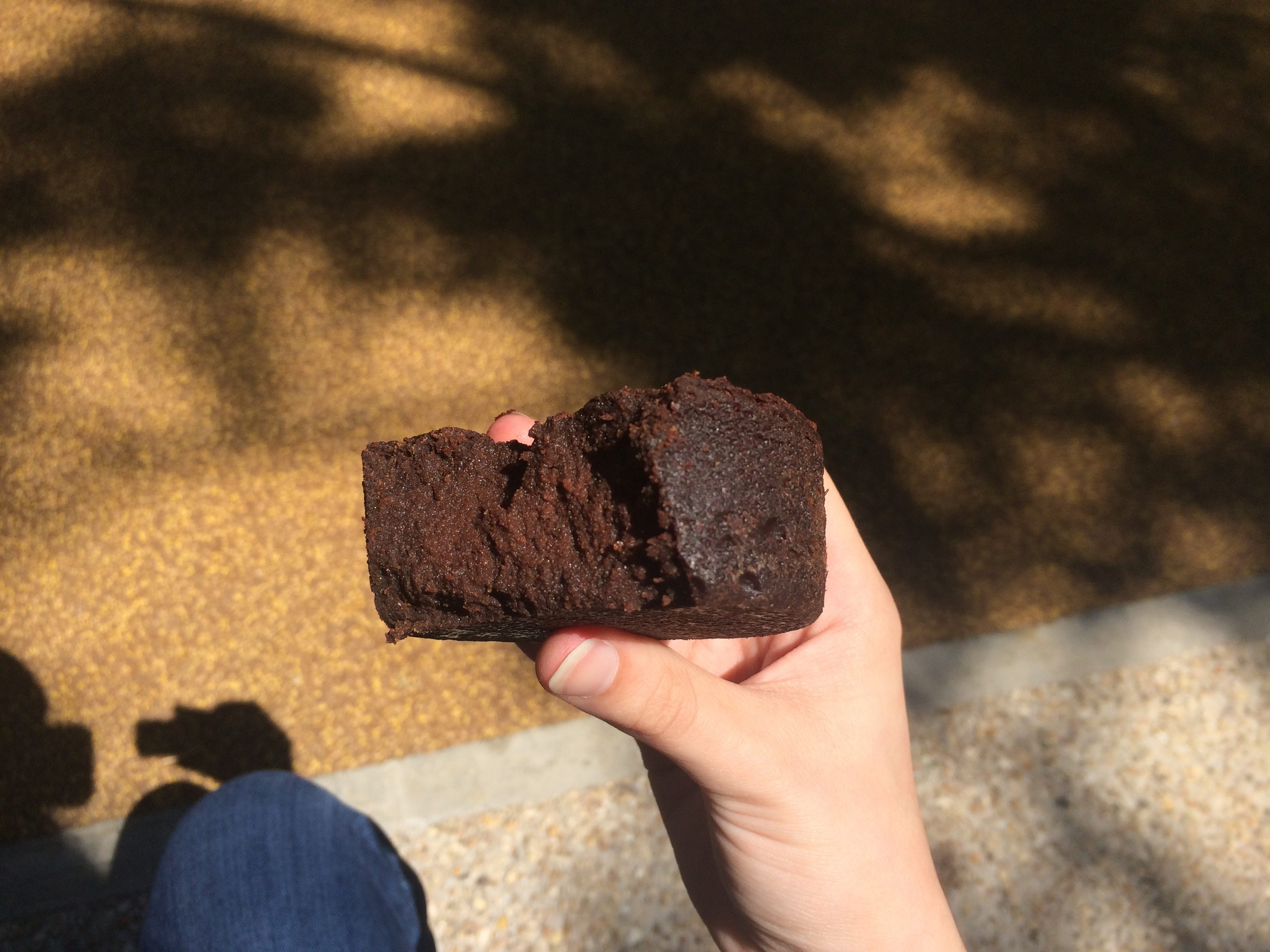
The dessert I had from Pret a Manger was a little chocolate cake. It was very good. It was a very soft cake. Emily tried some and said that it was taste good warmed up. I agree! Though it was good at room temperature, sticking it in a microwave and warming it would probably make it taste even better. I might have to go back and get another one and try it out…
July 16
…We went back to the Lindt store and I caved. The truffles are just so good!
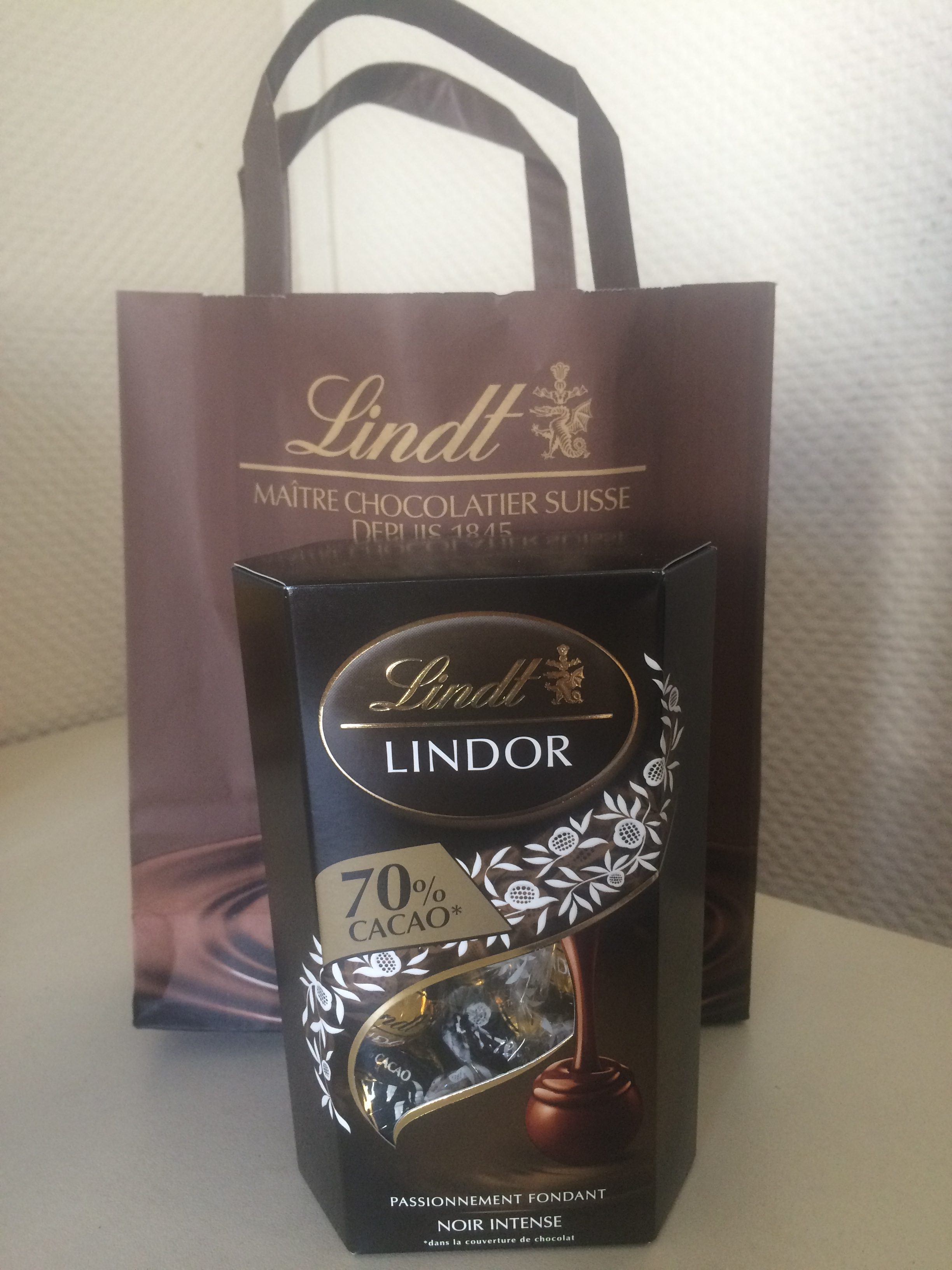
I don’t believe that I ever have seen these truffles in the US. If they’re there, they are few and far between. Though, to be fair, this LINDT shop probably has selections that aren’t available in other parts of France, too. However, the United States prefers milk chocolate to dark chocolate, and Europeans, including the French, prefer less-sweet chocolate, according to this 2005 news article (old, I know, but there’s not many articles written on this topic). I have heard this elsewhere, too, but I’,m not sure where and I can’t find any more recent articles on this topic. Perhaps this preference is why I’ve never seen these truffles in stores, or if I have and have forgotten, they’ve certainly been more rare than the milk chocolate and even regular dark chocolate truffles.
Cheese
July 13th
I also didn’t have any cheese on the 13th, besides more of that chevre that I got at the MICEFA picnic
July 14th
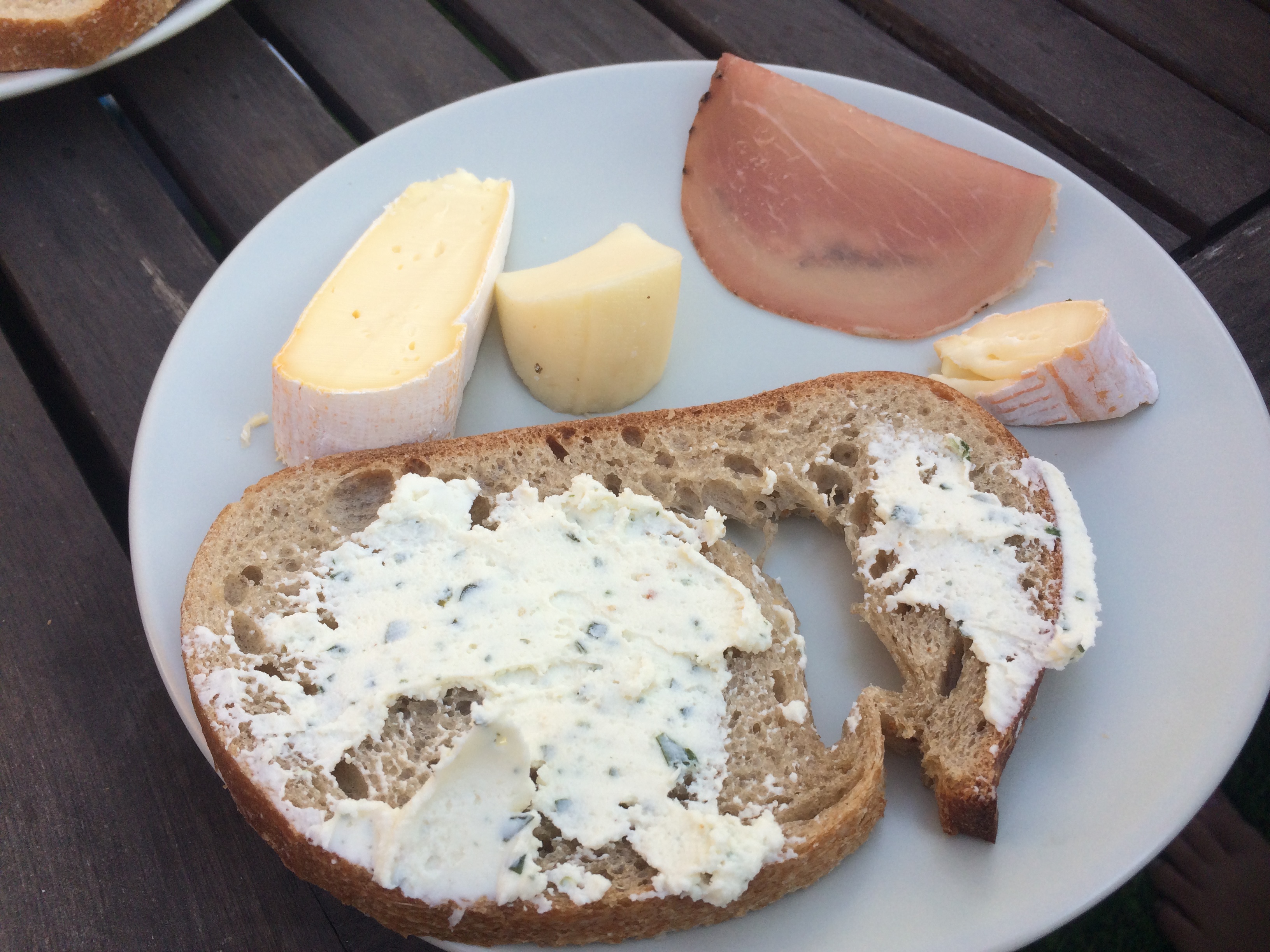
At Dr. Smith’s party, I mainly just ate cheese and bread, with a bit of meat too (pictured below wasn’t my only plate of food). The cheese that I spread on the bread was very good. I also really liked the one without a white rind. While I liked them all, those two were my favorites. I have no idea what either of them are, though!
July 15th
At the place we ate at for dinner (I don’t know what it was called), I got a 3-cheese crepe. It was buckwheat, like the others I’ve had in Paris. The menu didn’t specify what types of cheeses were in it. I believe it had Emmental, since I thought I tasted it and Emmental seems to be a popular cheese in France. Whatever cheeses were in it, it was good.

It’s interesting. I’ve never seen buckwheat crepes in the US, but they’re everywhere in Paris. In the US, I’ve seen both savory and sweet crepes made with what I think is wheat flour, whereas here in France, there seems to be more of a distinction between savory and sweet crepes. Savory crepes seem to normally be made out of buckwheat and sweet crepes are normally made out of a different flour (wheat?). I wonder if that has something to do with the fact that crepes originated in France and then were brought to the US. Maybe something was lost in translation (such as the connection to Brittany).
July 16th
I didn’t see eat any cheese on this day, unfortunately
I’m not sure how else to end this post but to stress again how amazing Saint-Eustache is. Please go see it!!!
For more churches, chocolate, and cheese, check back in soon!
Bibliography
Cottards, R.-L. n.d. Histoire de la paroisse. Accessed July 16, 2019. http://www.saintpierredemontrouge.catholique.fr/spip.php?article309.
- Église Notre-Dame-de-la-Gare de Paris. July 22. Accessed July 16, 2019. https://fr.wikipedia.org/wiki/%C3%89glise_Notre-Dame-de-la-Gare_de_Paris.
n.d. From the Chapel of St. Agnes. Accessed July 10, 2019. https://www.saint-eustache.org/en/histoire-et-patrimoine/histoire-de-leglise/.
Paroisse Saint Paul Saint Louis à Paris. n.d. Saint-Louis. Accessed July 16, 2019. https://www.spsl.fr/saint-louis.
—. n.d. Saint-Louis-Saint-Paul. Accessed July 16, 2019. https://www.spsl.fr/saint-paul-saint-louis.
Philips, Valerie, and Valerie Philips. 2005. Which do people like: dark or milk chocolate? July 25. Accessed July 17, 2019. https://www.deseretnews.com/article/600150785/Which-do-people-like-dark-or-milk-chocolate.html.
- Temple du Marais. May 16. Accessed July 16, 2019. https://en.wikipedia.org/wiki/Temple_du_Marais.
About The Author

